
Introduction
The Xiaomi 13 Pro Max driver is the silent layer that decides whether your flagship phone behaves like a smart device or a stubborn piece of hardware when connected to a computer. Most users don’t notice drivers until something breaks—but once you do, everything from file transfers to flashing firmware depends on it. This invisible software bridge allows Windows to properly understand what your Xiaomi phone is and how it should communicate.
Drivers matter because modern smartphones no longer act as simple storage devices. Xiaomi relies on specific communication protocols that require Windows-level authorization to function correctly. Without the Xiaomi 13 Pro Max driver, your PC may charge the phone but refuse to recognize it for anything meaningful. That gap is where most connection errors originate.
Midway through advanced usage, the Xiaomi 13 Pro Max driver becomes even more critical. Tasks like debugging apps, unlocking the bootloader, or recovering a soft-bricked device are impossible without a properly installed driver layer. These processes require structured command-level access that Windows simply won’t allow without verification.
This setup isn’t just for developers. Power users, ROM testers, repair technicians, and even regular owners moving large media files all rely on the same system foundation. If your workflow involves more than charging, drivers are not optional—they’re essential infrastructure.
What Is the Xiaomi 13 Pro Max Driver?
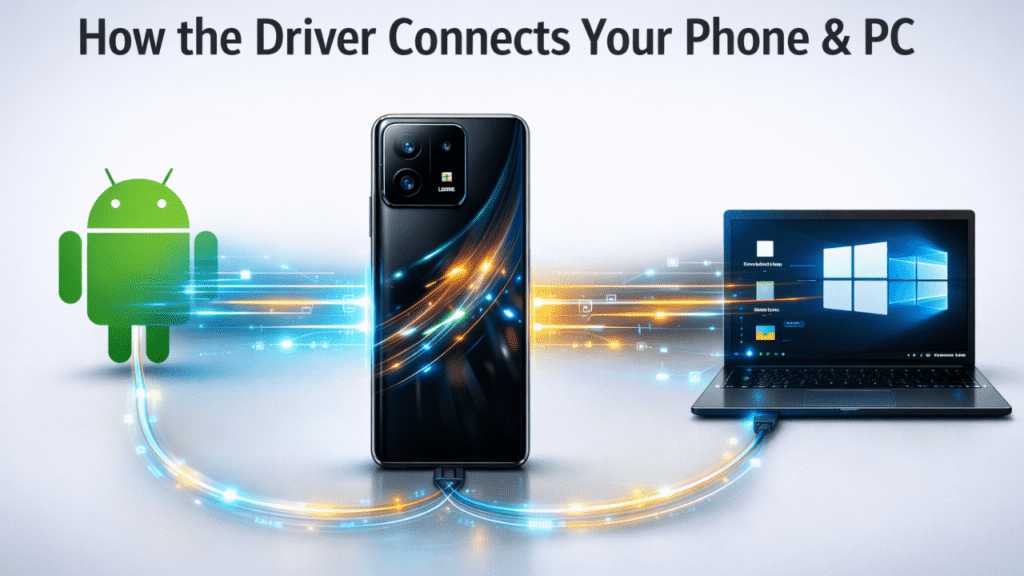
At its core, the Xiaomi 13 Pro Max driver is a Windows-compatible software package that enables structured communication between the phone and a computer. Unlike plug-and-play accessories, smartphones require identification, permission mapping, and protocol alignment before any meaningful interaction can happen.
Windows cannot inherently recognize Xiaomi’s device architecture. The driver acts as a translator, converting Xiaomi’s internal data requests into instructions Windows understands. Without this translation layer, the operating system treats the phone as an unknown object or limits it to basic charging functionality.
The Xiaomi 13 Pro Max driver becomes especially important once you move beyond drag-and-drop usage. Simple file transfer relies on MTP, but deeper operations—like flashing firmware or accessing system logs—require driver-level authorization. This is where generic USB recognition fails entirely.
Another key difference lies in stability. Driver-based connections maintain persistent communication even during reboots, fastboot transitions, or recovery mode usage. That reliability is why advanced tools refuse to operate unless the Xiaomi 13 Pro Max driver is detected correctly at the system level.
Why You Need Xiaomi 13 Pro Max Drivers
Every advanced interaction with your phone begins with proper recognition, and that’s where the Xiaomi 13 Pro Max driver proves indispensable. Without it, Windows simply cannot establish a reliable data handshake, no matter how powerful the hardware on either side is.
File transfers are the most obvious use case. High-resolution photos, 4K video clips, and large backups require a stable MTP connection that only works when drivers are correctly installed. Without them, transfers stall, fail, or never start.
In the middle of power-user workflows, the Xiaomi 13 Pro Max driver enables ADB and Fastboot communication. These command-line interfaces allow users to install apps remotely, push system files, and execute maintenance commands that bypass the normal UI entirely.
Firmware flashing and bootloader unlocking also depend on this driver layer. Tools like Mi Flash require uninterrupted low-level access, and Windows will block these actions without verified drivers. Even common errors like “device not recognized” usually trace back to missing or corrupted driver files rather than hardware faults.
Types of Xiaomi 13 Pro Max Drivers
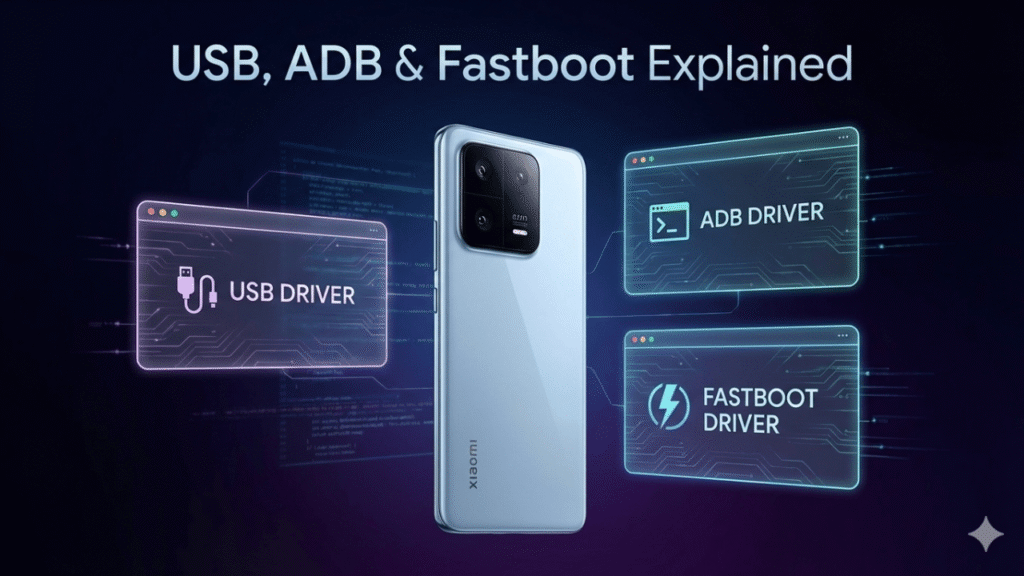
The Xiaomi 13 Pro Max driver ecosystem isn’t a single file—it’s a set of specialized components, each designed for a different communication role. Understanding these types prevents mismatched installations and unnecessary troubleshooting.
4.1 Xiaomi USB Driver
The Xiaomi 13 Pro Max driver in USB form handles everyday connectivity between the phone and a Windows system. It enables file transfer, charging recognition, and basic device identification without exposing system-level controls.
This driver relies on Media Transfer Protocol to present the phone as a media device rather than raw storage. That approach improves security and stability, especially on newer Windows versions that restrict unrestricted access.
4.2 ADB Driver
The Xiaomi 13 Pro Max driver for ADB unlocks command-line communication between the phone and PC. This mode is essential for debugging, app testing, and system-level interactions that bypass the graphical interface.
Developers and advanced users rely on ADB drivers to send instructions directly to the Android framework. Without proper installation, commands fail silently or return unauthorized errors.
4.3 Fastboot Driver
The Fastboot variant of the Xiaomi 13 Pro Max driver is designed for bootloader-level operations. It allows the phone to communicate with flashing tools before Android even loads.
This driver is mandatory for ROM flashing, recovery installation, and device unbricking. Without it, fastboot mode appears invisible to Windows.
Xiaomi 13 Pro Max Driver Download
Downloading the Xiaomi 13 Pro Max driver sounds simple, but choosing the wrong source can introduce instability or security risks. Official drivers are digitally signed, tested for compatibility, and updated alongside Xiaomi’s software ecosystem.
Third-party packages often bundle outdated or modified files. While they may work temporarily, they frequently cause conflicts with newer Windows updates. That’s why trusted sources matter, especially for devices operating at system-level access.
Halfway through the installation process, the Xiaomi 13 Pro Max driver package reveals its structure. Most official releases include USB, ADB, and Fastboot components in one installer, reducing compatibility issues and simplifying setup.
Before downloading, users should disable conflicting driver installers and ensure Windows security doesn’t block unsigned files. A clean environment dramatically reduces installation failures and recognition errors.
5.1 Xiaomi 13 Pro Max Driver for Windows
The Xiaomi 13 Pro Max driver supports modern Windows versions with varying degrees of compatibility. Windows 11 and Windows 10 offer native support with minimal manual intervention.
Windows 8 and 8.1 may require driver signature enforcement adjustments. Windows 7 support exists but is limited and increasingly unreliable due to deprecated system frameworks.
How to Install Xiaomi 13 Pro Max Driver on PC
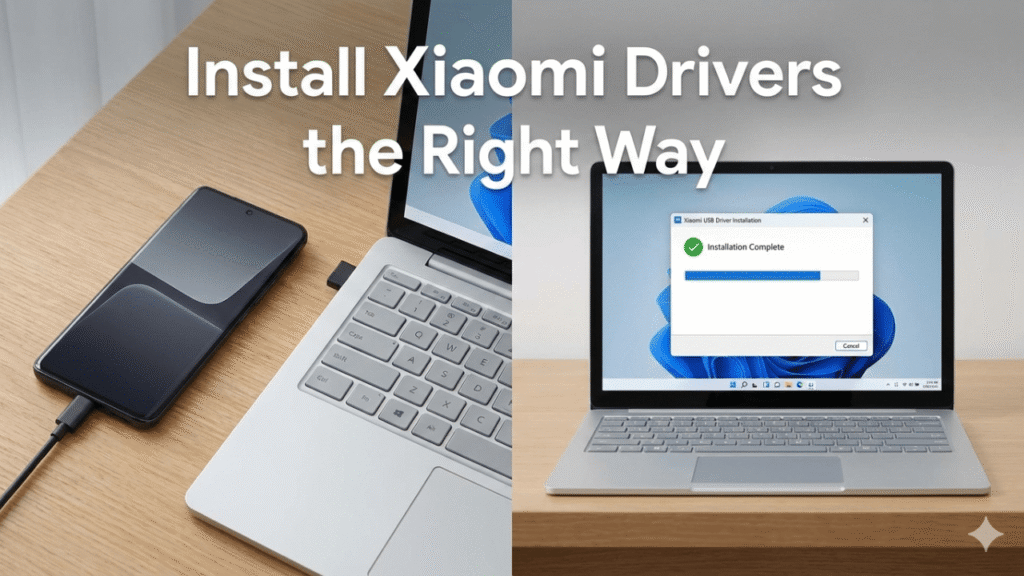
Installing the Xiaomi 13 Pro Max driver correctly is more about preparation than speed. A rushed setup often leads to partial recognition or unstable connections that surface later during advanced tasks.
Before installation, ensure the phone battery is adequately charged and the USB cable supports data transfer—not just power. Windows systems should be updated to avoid compatibility conflicts during driver registration.
Midway through the process, the Xiaomi 13 Pro Max driver installer registers multiple system components simultaneously. Interrupting this phase can corrupt driver mapping, forcing a full reinstall.
Once installation completes, restarting the system ensures Windows reloads its hardware index and applies the driver rules properly. Skipping this step is one of the most common causes of detection failure.
6.1 Pre-Installation Requirements
A reliable USB cable, a charged device, and a Windows PC form the foundation of a successful setup. Inconsistent hardware introduces false error signals during installation.
6.2 Step-by-Step Installation Guide
Connecting the device initiates recognition, while running the installer registers driver components. Completing setup and restarting finalizes system-level access.
How to Enable USB Debugging on Xiaomi 13 Pro Max
USB debugging is the gateway that allows the Xiaomi 13 Pro Max driver to function beyond basic connectivity. Without it, ADB commands remain blocked regardless of driver status.
Developer Options must first be unlocked by tapping the build number in system settings. This step exposes advanced controls Xiaomi hides by default to protect casual users.
Once enabled, USB Debugging authorizes the PC to communicate with the device securely. The Xiaomi 13 Pro Max driver then pairs with Android’s debugging framework to allow command execution.
Verification happens when the device prompts for authorization. Accepting this request permanently links the driver to the phone unless manually revoked.
How to Check if Xiaomi 13 Pro Max Driver Is Installed
Confirmation matters because partial installation often looks successful while silently failing. The Xiaomi 13 Pro Max driver must appear correctly inside Windows Device Manager without warning symbols.
Device Manager lists the phone under Android or USB devices when drivers load properly. Any unknown device label signals missing or corrupted files.
The Xiaomi 13 Pro Max driver can also be tested through ADB commands. A successful device response confirms both driver installation and debugging authorization.
Stable file transfers, uninterrupted fastboot detection, and consistent recognition across reboots are strong indicators of proper installation.
Common Xiaomi 13 Pro Max Driver Issues & Fixes
Even properly installed drivers can fail due to external factors. The Xiaomi 13 Pro Max driver is sensitive to hardware quality, Windows updates, and permission conflicts.
9.1 Device Not Recognized by PC
Faulty USB ports or low-quality cables often disrupt data signaling. Switching ports or cables resolves most recognition failures instantly.
9.2 ADB Not Detecting Device
Debugging permissions may be revoked after system updates. Reauthorizing the device or reinstalling the ADB driver restores command access.
9.3 Fastboot Driver Not Working
Fastboot mode requires manual driver mapping in some cases. Updating drivers through Device Manager often resolves detection issues.
Xiaomi 13 Pro Max Driver for Flashing & Unlocking
Flashing firmware is where the Xiaomi 13 Pro Max driver proves its real value. These operations require uninterrupted low-level communication that generic drivers cannot provide.
Mi Flash Tool depends entirely on correct driver recognition. Without it, flashing processes fail mid-operation, risking data loss or soft bricks.
During bootloader unlocking, the Xiaomi 13 Pro Max driver authenticates device identity and maintains a stable fastboot connection. Any interruption invalidates the unlock process.
This driver layer ensures flashing actions remain controlled, traceable, and reversible when performed correctly.
Supported Operating Systems
Compatibility determines reliability. The Xiaomi 13 Pro Max driver performs best on modern Windows environments with updated system frameworks.
Windows 11 and 10 offer full 64-bit support with minimal configuration. Older systems may require manual driver enforcement changes.
The Xiaomi 13 Pro Max driver is optimized for 64-bit architecture, and using it on 32-bit systems introduces performance and stability limitations.
For long-term use, newer Windows versions are strongly recommended.
Is the Xiaomi 13 Pro Max Driver Safe?
Safety concerns arise when drivers operate at system level. The Xiaomi 13 Pro Max driver is safe when sourced from official or verified channels.
Malware risks increase with unofficial bundles that modify driver signatures or include hidden executables. These files can compromise system security.
The Xiaomi 13 Pro Max driver should always be scanned before installation and installed with antivirus protection temporarily enabled.
Avoiding renamed files and suspicious installers significantly reduces exposure to fake driver packages.
FAQs – Xiaomi 13 Pro Max Driver
Is the Xiaomi 13 Pro Max driver free to download?
Yes, the Xiaomi 13 Pro Max driver is completely free. Xiaomi provides official driver packages as part of its device support ecosystem, and there is no paid or premium version required for normal or advanced use.
Do I need the Xiaomi 13 Pro Max driver for simple file transfer?
For basic charging, no driver is required. However, stable and reliable file transfer depends on the Xiaomi 13 Pro Max driver because it enables proper Media Transfer Protocol recognition in Windows.
Can I use the Xiaomi 13 Pro Max driver on Windows 11?
Yes, the Xiaomi 13 Pro Max driver works fully on Windows 11. In most cases, Windows 11 detects and installs the required components automatically once the official driver package is installed.
What should I do if the Xiaomi 13 Pro Max driver fails to install?
If installation fails, run the installer with administrator privileges and temporarily disable conflicting driver tools. Restarting the system and reconnecting the device usually resolves incomplete installations.
Is the Xiaomi 13 Pro Max driver required for flashing ROMs?
Yes, flashing firmware or using Mi Flash Tool requires the Xiaomi 13 Pro Max driver. Without it, Windows cannot communicate with the device in fastboot or recovery mode.
Why does my PC detect the phone but ADB doesn’t work?
This usually happens when USB Debugging permissions are not authorized on the phone. Re-enabling debugging and reauthorizing the PC restores proper ADB communication through the Xiaomi 13 Pro Max driver.
Conclusion
The Xiaomi 13 Pro Max driver forms the backbone of every advanced interaction between your phone and a PC. Without it, even simple tasks become unreliable.
Proper installation ensures stability, security, and full device control. Following best practices prevents most common errors before they appear.
Using trusted sources and maintaining system compatibility keeps the Xiaomi 13 Pro Max driver safe and effective over time.
4 thoughts on “Xiaomi 13 Pro Max Driver – Complete Guide”
Comments are closed.