
The Day Tech Stopped Feeling Reliable
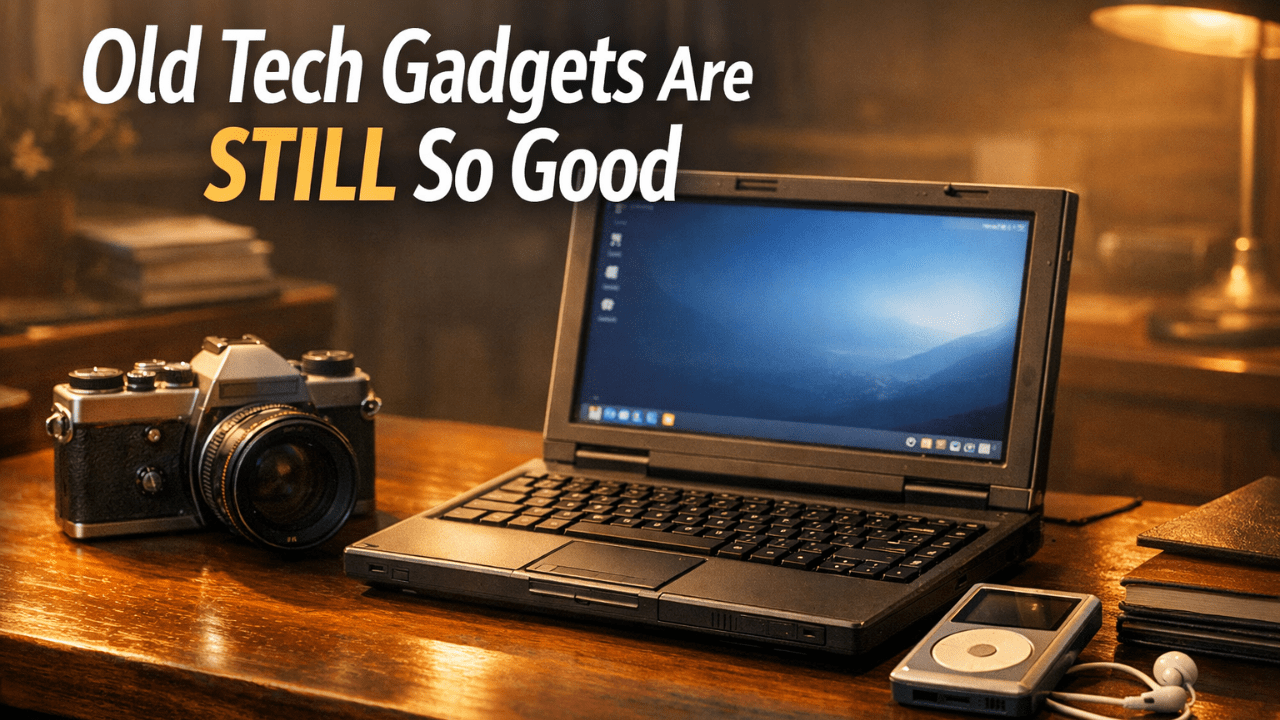
There was a time when turning on a device meant it would just work, without interruptions or hidden updates. Today, stability has become a rare commodity. Old tech gadgets are STILL so good because they belong to that era of reliability, where users trusted devices to perform consistently, without constant notifications or surprise software changes. Their predictability gave a sense of control that modern gadgets struggle to provide.
How constant updates changed the user–device relationship
In the last decade, devices have evolved into platforms that demand attention rather than tools that quietly perform. Frequent updates, forced patches, and intrusive notifications shifted the balance from user control to device control. Instead of simply working, modern tech constantly reminds you it exists, often interfering with productivity. Old tech gadgets are STILL so good because they provide a level of reliability and consistency that feels almost rebellious today.
When stability quietly disappeared
As operating systems and apps became more complex, unexpected behavior became common. Crashes, slowdowns, and broken features emerged, often without warning. Users began to experience anxiety over software they barely controlled. Older gadgets, in contrast, offered predictable performance for years, creating a sense of ease and confidence. Their reliability remains unmatched, proving that old tech gadgets are STILL so good because functionality and trust are more valuable than flashy new features.
Built Before Corners Were Cut
Durability is a hallmark of older devices. Old tech gadgets are STILL so good because they were engineered with longevity in mind, using materials and construction methods designed to last. These devices were created when every screw, hinge, and circuit was selected for quality, not cost savings.
Materials, engineering, and long-term thinking
Older gadgets feature sturdy metal frames, mechanical buttons, and well-designed internals that resist wear. They were made for repeated handling, accidental drops, and daily use. Unlike some modern devices that prioritize thinness and aesthetics over substance, older tech emphasizes performance and longevity. The tactile satisfaction of pressing a solid button or sliding a robust hinge is a reminder of the craftsmanship behind these devices.
Why older hardware ages better than newer designs
Modern gadgets often fail to withstand time. Plastics warp, hinges break, and internal components degrade faster. In contrast, older hardware retains functionality, sometimes even decades later. Old tech gadgets are STILL so good because their quality construction allows them to remain practical and reliable long after newer devices would have succumbed to obsolescence. They prove that thoughtful engineering surpasses hype, offering value and satisfaction over the long term.
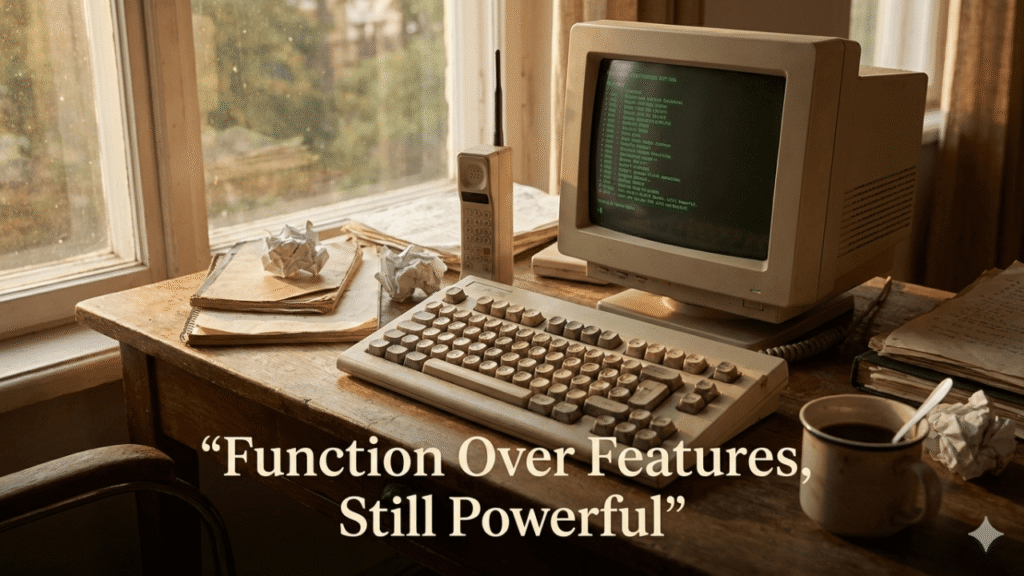
Focus Over Features
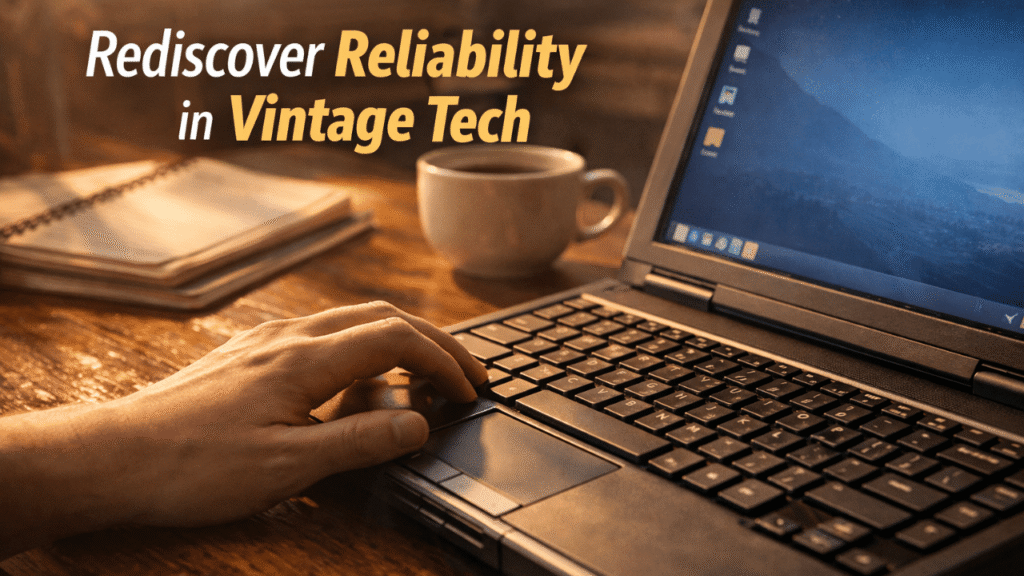
In a world where new gadgets tout endless features, simplicity can feel revolutionary. Old tech gadgets are STILL so good because they excelled in doing a few things exceptionally well, instead of promising everything and delivering little. Their design prioritized performance and reliability over novelty.
Devices that do one thing exceptionally well
Classic gadgets like mechanical keyboards, vintage cameras, or MP3 players were designed with mastery in mind. Each tool focused on a core task, allowing users to achieve precise results. Unlike modern multi-function devices that scatter attention, older tech delivers quality experiences without compromise, fostering skill and deeper engagement.
How fewer options improve productivity and enjoyment
Excessive features can distract, slow performance, or create decision fatigue. By narrowing functionality, older devices allowed users to focus, reduce mistakes, and enjoy every action. Old Tech Gadgets Are STILL So Good because this focus-oriented design is rare today. Devices that specialize often outperform generalist gadgets in practice, making them not just nostalgic, but genuinely superior for certain tasks.
Real Performance That Still Holds Up
Performance isn’t measured only by numbers; it’s about reliability, efficiency, and user experience. Old Tech Gadgets Are STILL So Good because their practical performance often exceeds that of modern devices, which can be bogged down by unnecessary software layers and background processes.
Speed, responsiveness, and consistency in daily use
Older devices often feel faster in real-world use. Without resource-heavy operating systems or constant background tracking, applications open instantly, typing feels immediate, and multitasking remains fluid. This smooth performance creates an intuitive experience that modern gadgets struggle to replicate, despite superior specifications.
Why raw specs don’t tell the full story
Terabytes of storage or GHz processors mean little if software isn’t optimized. Old gadgets were engineered to maximize the hardware they had, often resulting in better real-life performance. Old Tech Gadgets Are STILL So Good because their practical design and efficient software execution allow them to remain useful and relevant, even years after their release.
Battery Life Without Compromise
Few modern devices last a full day under heavy use. Old Tech Gadgets Are STILL So Good because they were optimized for endurance, not flashy displays or energy-draining apps. Their batteries were efficient, predictable, and reliable.
Power efficiency before background tracking
Older gadgets consumed energy only when performing a task. There were no constant updates, background processes, or push notifications draining power silently. Users could rely on these devices for multiple days without constantly reaching for a charger.
Why older devices last longer per charge
Even a decade-old MP3 player or laptop can outlast today’s flagship devices in practical use. The combination of simple software, lightweight operating systems, and efficient hardware creates remarkable longevity. Old Tech Gadgets Are STILL So Good because their battery life remains a practical advantage that modern devices often fail to match.
Freedom From Forced Upgrades
Modern gadgets often push you to upgrade. Old Tech Gadgets Are STILL So Good because they respect the user, providing complete functionality without subscription lock-ins, forced updates, or hidden limitations.
No subscriptions, no feature lockouts
Older devices delivered what they promised. There were no paywalls, no disabled features, and no pressure to buy newer models. Users could use them fully, comfortably, and confidently.
The psychological relief of tech that stays the same
Knowing a device won’t change overnight provides peace of mind. Users focus on tasks instead of constantly adjusting to software quirks or new interfaces. Old tech gadgets are STILL so good because their stability fosters trust, reducing digital stress and enhancing user satisfaction.
Old Tech in Modern Life
Even in 2025, older gadgets remain functional and desirable. Old tech gadgets are STILL so good because they continue to meet real-world needs, often outperforming modern devices in specific scenarios.
How people still use older gadgets in 2025
Writers prefer vintage laptops with tactile keyboards, photographers use retro cameras for unique aesthetics, and gamers revisit classic consoles for authentic experiences. These gadgets prove that innovation isn’t always about the newest release—it’s about function and reliability.
Practical scenarios where old tech wins
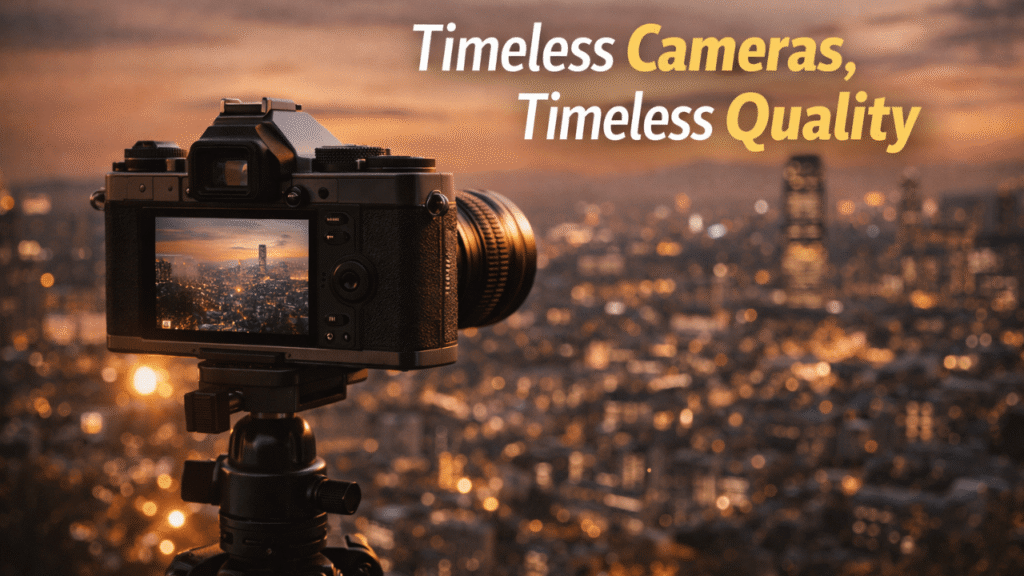
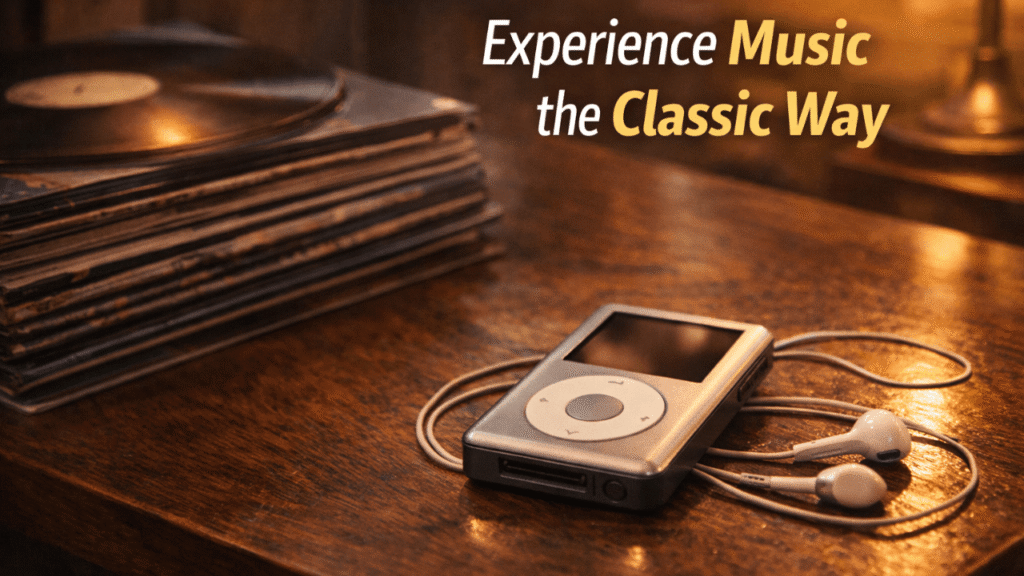
Offline music players, durable mechanical keyboards, and long-lasting cameras outperform many modern devices in certain contexts. Old tech gadgets are STILL so good because they continue to offer performance and convenience where modern technology often fails to deliver.
Cost, Value, and Longevity
Expensive doesn’t always guarantee satisfaction, and cheap doesn’t mean poor quality. Old tech gadgets are STILL so good because they maximize value, cost efficiency, and durability, often surpassing modern alternatives.
Why cheaper doesn’t mean inferior
A well-maintained vintage gadget can outperform modern devices costing double. Thoughtful design, durable materials, and repairability make older tech surprisingly cost-effective.
Long-term value vs. short-term excitement
New gadgets often impress initially but quickly lose relevance. Older devices maintain utility and resale value. Old tech gadgets are STILL so good because they reward long-term thinking and careful ownership, rather than chasing hype-driven excitement.
The Quiet Return of Old Ideas
Design philosophies from older gadgets are influencing modern tech. Old tech gadgets are STILL so good because they embody durability, simplicity, and repairability—principles that remain essential today.
Buttons, ports, and repairability making a comeback
Physical controls, modular components, and repair-friendly designs are trending again. These features were standard in older devices, proving the foresight of past engineers.
What modern tech is relearning from the past
Haptic feedback, strong frames, and tactile interfaces echo older design principles. Old tech gadgets are STILL so good because their design wisdom is timeless, inspiring modern tech to rediscover practicality and usability.
Frequently Asked Questions (FAQ)
Q1: Why are old tech gadgets STILL so good compared to modern devices?
Older gadgets were designed for reliability, efficiency, and simplicity. They often outperform newer devices in battery life, durability, and consistent performance. Old tech gadgets are STILL so good because they prioritize practical usability over unnecessary features, giving users a smoother, stress-free experience.
Q2: Can old gadgets still be used with modern software and apps?
Many older devices remain compatible with essential modern apps or offline workflows. While some high-tech features may be missing, core functions like writing, photography, music, or gaming often work flawlessly. Old Tech Gadgets Are STILL So Good because they offer dependable functionality even in a modern context.
Q3: Are Old Tech Gadgets Are STILL So Good worth buying second-hand?
Yes. Well-maintained older gadgets can be cost-effective, durable, and highly functional. Purchasing second-hand devices can provide excellent value while avoiding planned obsolescence. Their longevity makes them a smarter, eco-friendly choice.
Q4: Which types of old gadgets remain the most useful today?
Mechanical keyboards, vintage cameras, MP3 players, classic laptops, and durable mobile phones are still highly practical. These gadgets excel at core tasks, proving that Old Tech Gadgets Are STILL So Good for productivity, creativity, and entertainment.
Q5: How can I maintain old gadgets to ensure they last longer?
Regular cleaning, careful handling, proper battery care, and software optimization help extend the life of older gadgets. Investing in minor repairs instead of replacement ensures they continue to deliver value, reinforcing why Old Tech Gadgets Are STILL So Good.
Choosing Old Tech on Purpose
Some users choose older devices intentionally. Old Tech Gadgets Are STILL So Good because they provide performance, reliability, and value that modern alternatives often cannot match.
Who benefits most from older gadgets
Minimalists, creators, and professionals prioritize focus, consistency, and durability. Older devices give them tools that work without distraction, providing a purposeful and productive experience.
When keeping old tech is the smarter move
When longevity, reliability, and cost-effectiveness matter more than novelty, older devices outperform the newest releases. Old Tech Gadgets Are STILL So Good because they offer trust, performance, and control in a world obsessed with constant upgrades.
1 thought on “Old Tech Gadgets Are STILL So Good: Why Yesterday’s Devices Feel Better Than Today’s Upgrades”
Comments are closed.