
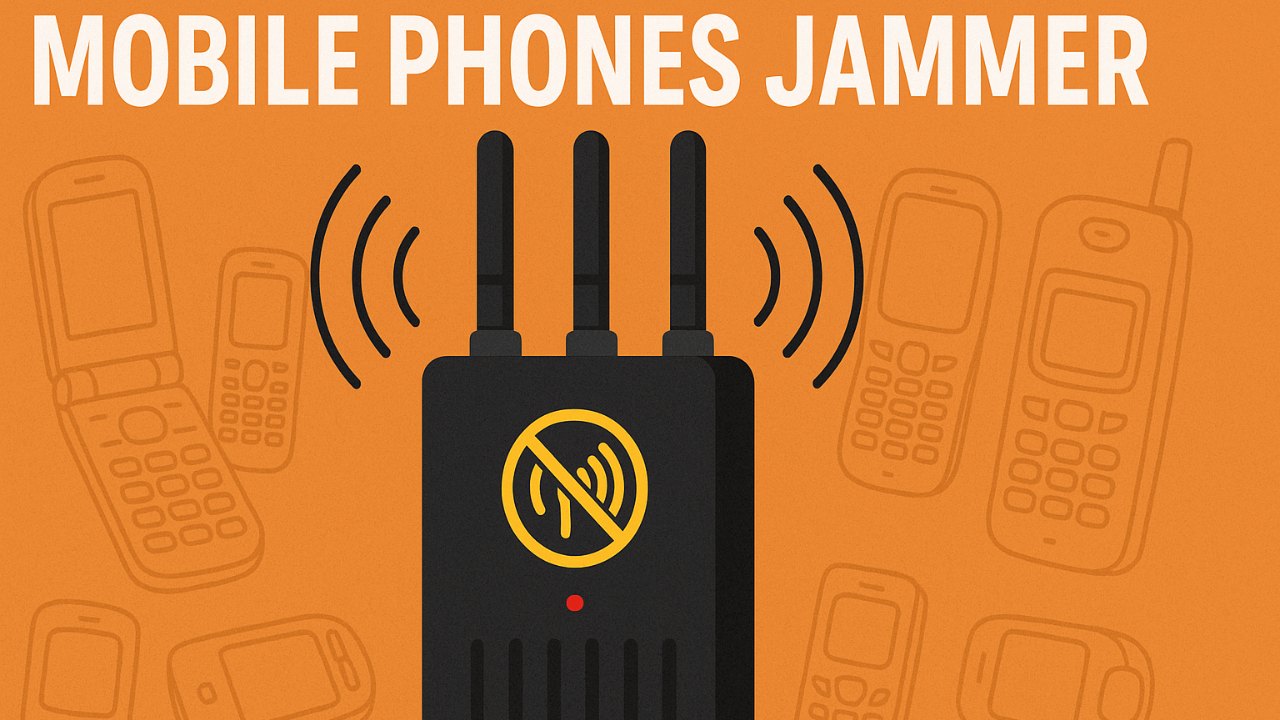
Introduction: Why Mobile Phones Jammers Are More Relevant Than Ever
The concept of a mobile phone jammer has grown more and more common in an era where smartphones have taken over all facets of our daily lives, especially restaurants, places of employment, courtrooms, and classrooms. For those who want to handle problems, protect confidential data, and reclaim quiet, safe spaces, these powerful devices have quickly grown essential.
Say someone’s ringtone is blasting loudly when you’re trying to enjoy a peaceful dinner, deliver a presentation, or take an exam. Or worse—unauthorized use of a phone to share confidential data. In such instances, a mobile phone jammer transforms into your secret weapon.
Let’s explore thoroughly what these devices are, how they work, and if you need to have one.
What Is a Mobile Phone Jammer?
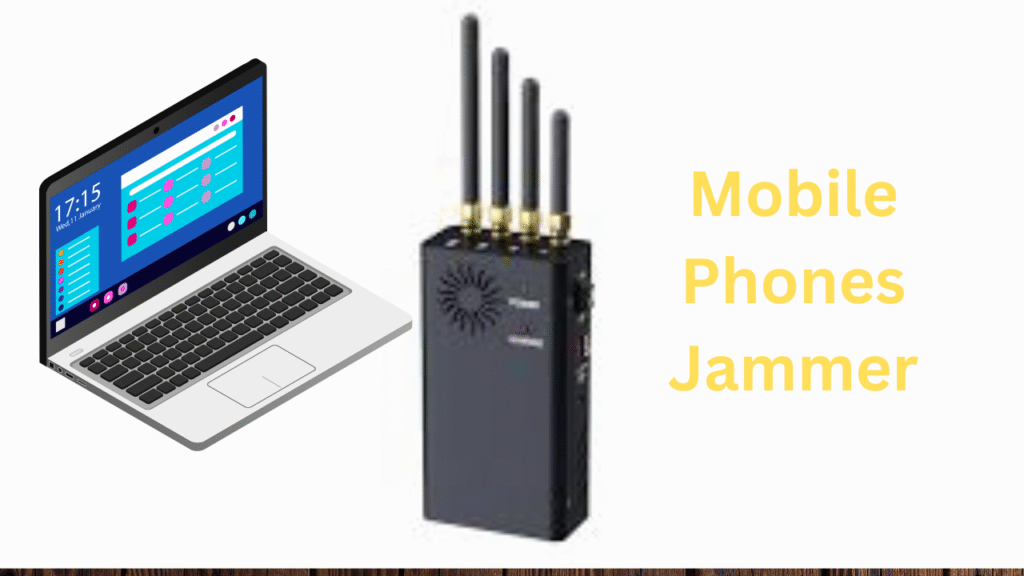
A piece of technology that interacts with or blocks radio signals between cell towers and mobile phones is known as a mobile phone jammer. This establishes a signal-free zone that puts still, focus, and security first by rendering phones within a particular radius useless for messages, calls, or data.
By generating radio frequencies that impede mobile phone delivery, the jamming device works. It’s like disrupting someone else’s expression, except it’s done far more effectively and electronically.
Types of Mobile Phone Jammers:
Low-range jammers: Effective in small rooms or cars.
High-range jammers: Designed for large buildings or venues.
Smart jammers can target specific frequencies like 3G, 4G, or 5G while allowing Wi-Fi or GPS to work.
These variations allow users to tailor interference to specific needs, whether it’s silence, security, or both.
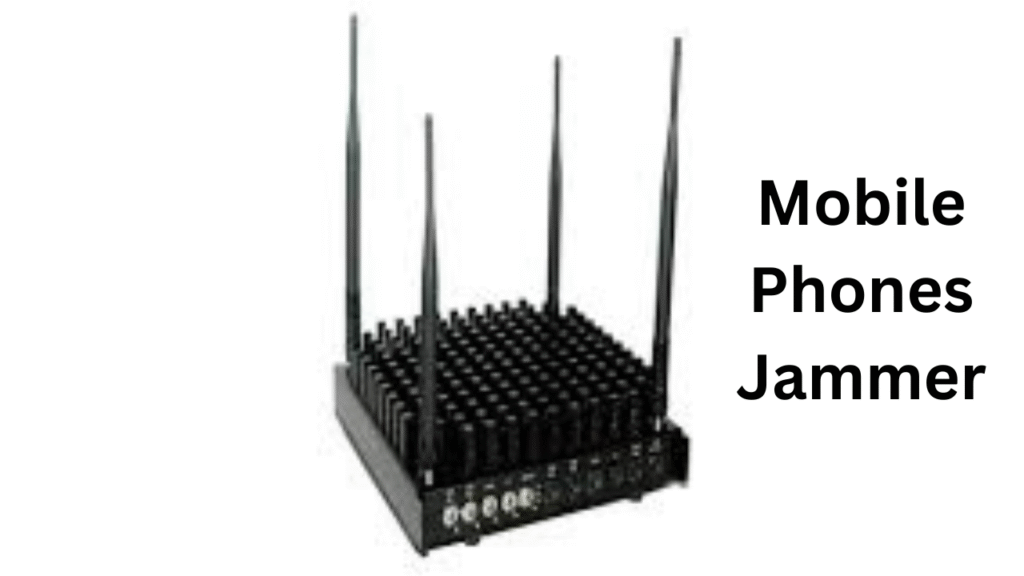
Where Are Mobile Phone Jammers Used?
A mobile phone jammer is often used in places where silence and security are crucial. You’ll find them in examination halls, conference rooms, prisons, and military areas where unauthorized communication can be a threat. They help maintain discipline and prevent data leaks or cheating. Even some religious places use them to ensure peaceful environments. By blocking mobile signals temporarily, they keep distractions away and safeguard important activities. However, their use must always comply with local laws to avoid misuse. These controlled environments highlight how vital jammers have become for privacy and concentration.
You may be surprised to know how widely these devices are used—sometimes legally, other times covertly.
Common Use Cases:
- Examination Halls
To prevent cheating using smartphones and wearable tech. - Hospitals and Clinics
To avoid interference with sensitive life-saving equipment. - Government Offices
Protecting classified discussions from eavesdropping or leaks. - Movie Theaters
Preserving the cinematic experience by eliminating annoying ringtones. - Religious Sites
Maintaining tranquility during prayers or meditation. - Restaurants or Cafés
Creating a calm, phone-free atmosphere for guests to truly connect.
These examples showcase how a mobile phone jammer can be an essential tool in maintaining order, focus, and security in our increasingly distracted society.
How Mobile Phones Jammers Actually Work
A mobile phone jammer works by emitting radio frequencies that interfere with communication between mobile phones and cell towers. When the jammer is active, it disrupts signal transmission so that calls, texts, and mobile data can’t go through. This creates a silent zone where devices lose connectivity. Jammers operate across different frequency bands, depending on the type of phones in range. While the concept sounds complex, the mechanism is surprisingly simple—overpowering the original signal. This technology is effective but should be handled responsibly to avoid interrupting emergency communication or public network services.
Understanding the mechanics of how a mobile phone jammer operates can help you decide whether it’s right for you.
Technical Breakdown:
- Oscillator: Produces a radio signal at the same frequency as cell networks.
- Noise Generator: Overlaps cell signals, causing disruption.
- Amplifier: Boosts the signal so it can reach further distances.
- Antenna: Broadcasts the jamming signal in all directions.
When a jammer is activated, any phone in the vicinity will display “No Service” or may fail to connect calls and data—even if the phone has full bars. Some advanced jammers can even selectively block certain frequencies while allowing others.
This targeted interference can provide surgical control over what stays connected and what gets silenced.
Comparing to Older Tech: The Case of Vintage Samsung Mobile Devices
When comparing a Mobile Phone Jammer to older technologies like vintage Samsung mobile devices, the difference is remarkable. Those classic phones relied heavily on analog signals and simpler frequency bands, making them less vulnerable to modern jamming techniques. Today’s smartphones, with 4G and 5G capabilities, require more advanced jammers to block their wide signal range. This evolution shows how both jamming and mobile technologies have advanced side by side. It also reminds us that while innovation improves communication, it also demands better security tools to keep environments protected from unauthorized or distracting signals.
The evolution of mobile phones makes jamming even more necessary today. Let’s revisit some classic Samsung flip phones and retro Samsung clamshell phones to see how times have changed.
Classic Samsung Flip Phones
These phones were beloved for their simplicity, durability, and long battery life. They rarely had internet access and didn’t support app-based communication. The worst interruption you could face was a ringtone—not a full-blown social media feed.
Vintage Samsung Mobile Devices
These early mobile phones lacked the data-hungry features of modern devices. Texts and calls were the extent of their communication, making jamming less essential back then.
Retro Samsung Clamshell Phones
These flip phones were the epitome of early-2000s tech—reliable, straightforward, and rarely a cause for major distraction. In many ways, they represented a time when mobile use was intentional rather than constant.
Today’s smartphones, however, are always-on portals to distraction—making mobile phone jammer devices far more relevant than in the era of these older models.
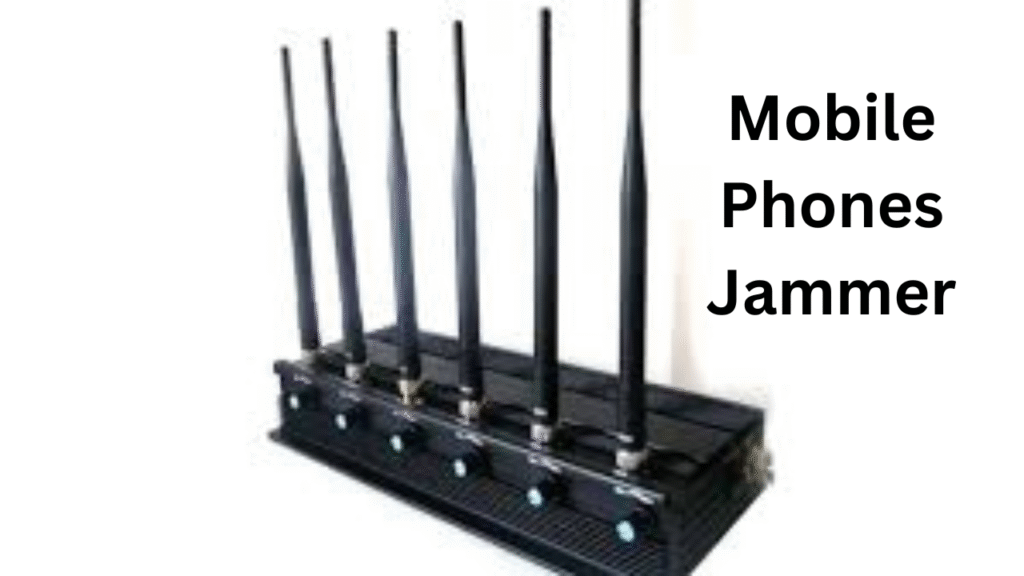
The Powerful Benefits of Using a Mobile Phones Jammer
Using a Mobile Phone Jammer offers several benefits, especially in high-security or quiet zones. It helps prevent information leaks in sensitive areas, such as government buildings and research labs. In educational settings, it reduces cheating by blocking communication during exams. The technology also supports privacy during meetings or religious ceremonies by ensuring no calls interrupt. Moreover, it improves focus and discipline in professional settings. However, the true benefit lies in maintaining control over unwanted mobile activity, ensuring that digital distractions do not compromise safety, confidentiality, or productivity in crucial environments.
Using a mobile phone jammer comes with several advantages, especially in controlled settings. Here are just a few of the powerful benefits:
- ✅ Enhanced Focus: Eliminate disruptions in meetings, classrooms, and events.
- ✅ Maximum Privacy: Prevent unauthorized recordings or leaks of sensitive conversations.
- ✅ Improved Security: Deter remote spying and reduce data breach risks.
- ✅ Peace of Mind: Enjoy noise-free zones in high-traffic public places.
- ✅ Control Over Environment: Create intentional spaces for productivity or rest.
For many users, especially in professional or secure settings, these pros offer transformational impact.
Major Drawbacks You Shouldn’t Ignore
While a Mobile Phone Jammer can be useful, it’s not without its flaws. One of the biggest drawbacks is that it can block emergency calls, putting lives at risk. It can also disrupt nearby wireless networks, including Wi-Fi and Bluetooth devices. In some regions, using a jammer without authorization is considered illegal and can result in heavy fines. Overreliance on this technology can also lead to inconvenience for people who genuinely need connectivity. Therefore, it’s essential to weigh the pros and cons before using one, ensuring its application remains justified and safe.
Despite their benefits, mobile phone jammers come with significant downsides—some legal, others ethical.
- ❌ Legality Issues: Many countries ban the use of jammers without government approval.
- ❌ Disrupts Emergency Communication: Blocking 911 calls can pose a serious risk.
- ❌ Inconvenience to Others: Not everyone may appreciate being forced offline.
- ❌ Overuse Concerns: Abuse of this technology could lead to mistrust or over-surveillance.
- ❌ Battery Drain & Heat: Some jammers may overheat or deplete energy quickly if misused.
These negatives must be considered carefully before deploying a jammer. Balance is key.
Legal Status of Mobile Phones Jammers
The Mobile Phone Jammer falls under strict regulations in most countries due to its impact on communication networks. Governments generally prohibit individuals or private organizations from using them without permission. Only certain agencies, like law enforcement or defense sectors, are allowed to deploy jammers under controlled circumstances. In places like the U.S. and the U.K., unauthorized use can lead to serious penalties, including imprisonment. Before purchasing or operating one, it’s crucial to check your local laws. Responsible awareness ensures compliance while maintaining the balance between privacy and public safety.
Laws around jammers vary dramatically around the globe.
United States:
- The FCC prohibits unauthorized use or sale of jamming devices.
- Severe fines or even jail time may result from misuse.
United Kingdom:
- Illegal to sell, buy, or use without explicit government approval.
India & Other Nations:
- Jammers are restricted to use in the military, prisons, and exam halls—with government licensing.
Always verify your local legal framework before purchasing or activating a mobile phone jammer. Misuse could land you in serious trouble.
Best Practices: Responsible Use of Mobile Phones Jammers
To use a Mobile Phone Jammer responsibly, always prioritize safety and legality. Start by ensuring the device is authorized for your intended use and doesn’t interfere with emergency communication. Limit the jammer’s range to cover only the necessary area to prevent unintended disruption. Regularly check for compliance updates from local authorities. Educate your staff or team about proper use to avoid misuse or accidents. Responsible jamming helps maintain privacy and security while respecting others’ right to connectivity. This careful balance ensures technology serves its purpose without crossing ethical or legal boundaries.
If you’re in a jurisdiction where using a mobile phone jammer is legal or regulated, follow these best practices:
- 📍 Use in Controlled Environments Only
Avoid using jammers in public spaces where emergency services may be disrupted. - 📢 Inform Participants
Whether in a meeting or classroom, transparency can reduce complaints and confusion. - 🔧 Use Certified Devices
Avoid knock-off jammers that may not comply with safety regulations. - 📐 Customize Frequency Blocking
Target only the bands you need to block—such as 4G or 5G—while allowing Wi-Fi or emergency channels. - 🧠 Use Intelligently
Never rely on jammers as a replacement for good policy and management. They are tools—not solutions on their own.
Powerful Alternatives to Mobile Phones Jammers
If legal or ethical concerns prevent you from using a mobile phone jammer, there are other options worth exploring:
- 🧳 Faraday Bags: Seal off phones completely, preventing signals from reaching or leaving the device.
- 📱 Signal-Blocking Paint: Innovative material that can reduce signal strength in specific rooms.
- 👮 Enforced Mobile Etiquette Policies: Simple but effective, especially in schools or offices.
- 🔒 App-Based Restrictions: Use management software to limit phone capabilities without physical interference.
These methods may not offer the brute force control of a jammer but can still create intentional, low-distraction environments.
FAQ: Mobile Phone Jammer
Q1. What is a Mobile Phone Jammer?
A Mobile Phone Jammer is a device that blocks mobile signals by transmitting radio frequencies that interfere with communication between cell phones and nearby towers.
Q2. Is it legal to use a Mobile Phone Jammer?
In most countries, it’s illegal for individuals or private businesses to use jammers without government authorization, as they can disrupt emergency and public networks.
Q3. Where are Mobile Phone Jammers commonly used?
They’re typically used in prisons, military bases, exam halls, and secure government buildings where controlling communication is necessary for safety or confidentiality.
Q4. Can Mobile Phone Jammers block Wi-Fi or GPS signals too?
Some advanced jammers can block Wi-Fi and GPS signals, but this depends on the model’s frequency range and design.
Q5. Are Mobile Phone Jammers safe to use?
Yes, when used responsibly and within legal limits, they’re safe. However, unauthorized or careless use can cause serious communication issues and legal penalties.
Summary: Is a Mobile Phone Jammer Right for You?
A mobile phone jammer offers an unusual opportunity to unplug—intentionally, legally, and meaningfully—in an environment where connection is commonplace. From avoiding disruptions during exams to safeguarding confidential conversations, these devices offer unprecedented control and continuous serenity.
The advantages of more control, privacy, and focus are apparent, but one must never forget the disadvantages as well, including possible threats to safety, moral quandaries, and legal risks. Use it ethically, and make sure local laws are consistently adhered to.
Our approach to regulating the impact they have needs to evolve as smartphones continue to develop beyond old Samsung flip phones and clamshell phones. In today’s hyperconnected society as a whole, a mobile phone jammer can be a game-changing tool if used properly and lawfully.
7 thoughts on “Mobile Phones Jammer: The Ultimate Tool for Privacy, Silence, and Control”
Comments are closed.