
Introduction – Beauty with a Painful Truth
Apple has always known how to sell desire before specs, and the iPhone Air is a bold reminder of that philosophy. The idea of an ultra-thin iPhone feels instantly seductive—lighter, sleeker, and visually stunning in a way most phones no longer attempt. From the first glance, this device signals that Apple is once again prioritizing form as much as function, if not more.
The phrase “Beauty is Pain” isn’t marketing drama here; it’s a design truth. Slimming a smartphone to this extent demands trade-offs, and Apple has quietly accepted them. Battery capacity, thermal headroom, and even internal durability all pay the price for visual elegance. That tension sits at the heart of this iPhone Air Review: Pros & Cons 2025 – Ultra Thin iPhone Beauty Is Pain, where aesthetics and practicality constantly collide.
Expectations were sky-high when leaks began positioning the iPhone Air as a refined alternative to bulky flagships. Many hoped it would blend premium design with flagship-level endurance. Midway through real-world usage, however, reality sets in: this phone is optimized for feel, not forgiveness.
This article promises clarity, not hype. Halfway through this iPhone Air Review: Pros & Cons 2025—Ultra Thin iPhone Beauty Is Pain, the goal is simple—strip away the gloss and examine what Apple gained, what it sacrificed, and who this phone truly serves.
What Is iPhone Air? (Quick Overview)
The iPhone Air exists as Apple’s design-first statement in a market obsessed with numbers. It is not meant to outperform Pro models or dominate benchmarks. Instead, it aims to redefine how an iPhone feels in daily life—lighter in the pocket, thinner in the hand, and visually calmer than its thicker siblings.
Apple has positioned the iPhone Air for users who value elegance over endurance. This is a device for people who notice millimeters, weight distribution, and balance more than raw battery statistics. Within the iPhone lineup, Air sits between standard and Pro models, but emotionally it targets a very different buyer.
In the broader context of 2025 smartphone trends, most brands are chasing massive batteries, oversized camera modules, and aggressive cooling systems. Apple moves against that tide here. Midway through this iPhone Air Review: Pros & Cons 2025—Ultra Thin iPhone Beauty Is Pain, it becomes clear that Air is less about competition and more about contrast.
The iPhone Air doesn’t replace existing models; it complements them. Apple knows some users are tired of bulky phones and want something refined again. That clarity of intent defines the Air, even when its compromises feel uncomfortable.

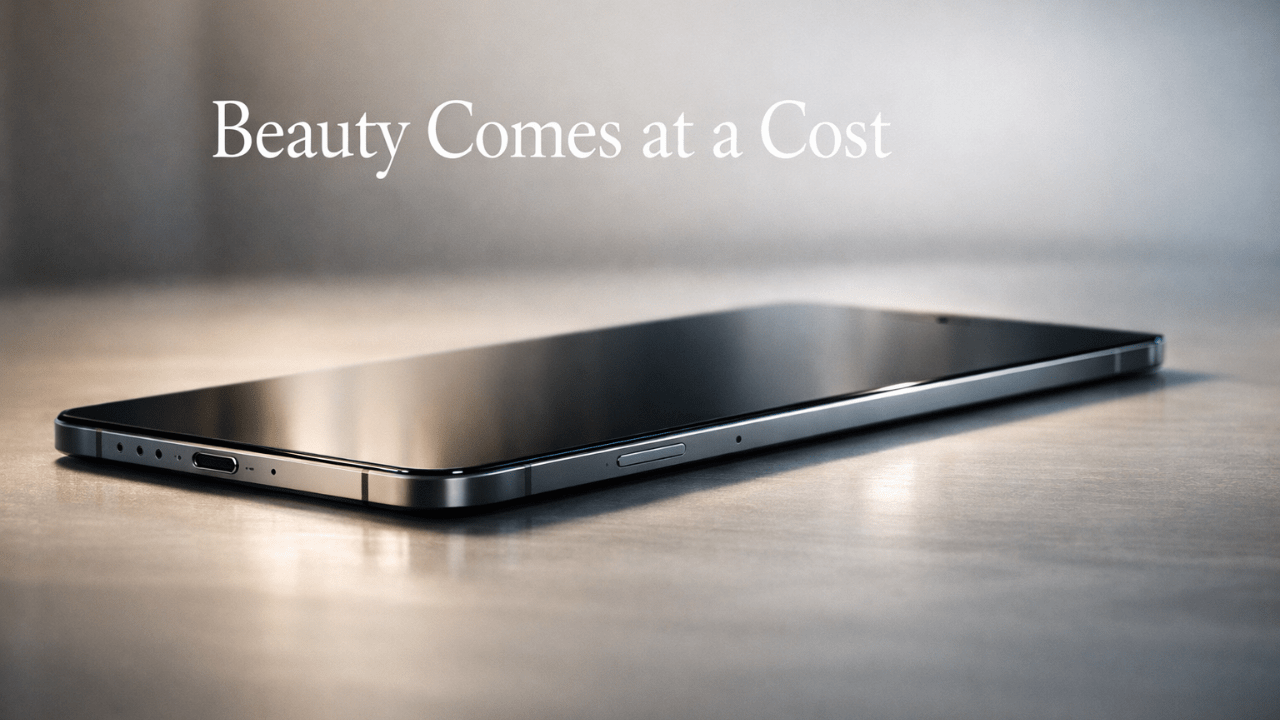
Ultra Thin Design—Why Beauty Comes at a Cost
The first moment you pick up the iPhone Air feels almost unreal. Its thinness isn’t just noticeable—it’s disruptive. The phone practically disappears in your hand, delivering a premium sensation that few modern devices attempt anymore. Apple’s craftsmanship shines here, with clean edges and flawless surface finishing.
That elegance, however, comes with structural tension. A thinner chassis leaves less room for internal reinforcement, and durability concerns aren’t imaginary. Slight flex under pressure and reduced shock absorption remind you that form has overtaken resilience. This is where the theme of iPhone Air Review: Pros & Cons 2025—Ultra Thin iPhone Beauty Is Pain becomes unavoidable.
The in-hand comfort is exceptional during short use but subtly concerning over time. You handle it more carefully, almost subconsciously. Halfway through this iPhone Air Review: Pros & Cons 2025—Ultra Thin iPhone Beauty Is Pain, the realization hits that beauty demands behavior changes from the user, not just from the device.
Apple didn’t ignore durability; it redefined acceptable limits. The result is a phone that feels luxurious yet fragile, rewarding care and punishing negligence in equal measure.
iPhone Air Pros (What Apple Did Right)
The iPhone Air delivers one of the most visually satisfying smartphone designs Apple has ever produced. Its ultra-thin body feels futuristic without being flashy, offering a refined confidence that instantly separates it from heavier rivals. The design alone carries a powerful emotional appeal.
Daily usage benefits from the lightweight construction. Long scrolling sessions, casual browsing, and one-handed use feel effortless, reducing fatigue in ways thicker phones rarely consider. The display quality reinforces this premium experience with excellent brightness, color accuracy, and smooth responsiveness.
iOS optimization plays a crucial role here. Despite physical limitations, Apple’s software efficiency ensures fluid performance across everyday tasks. This balance stands out midway through this iPhone Air Review: Pros & Cons 2025—Ultra Thin iPhone Beauty Is Pain, proving that software restraint can compensate for hardware compromises.
Brand value also matters. Carrying the iPhone Air signals taste over power, subtlety over excess. For some users, that status alone is worth the trade-offs Apple has chosen.

iPhone Air Cons (The Painful Trade-Offs)
Thinness comes at a cost, and battery capacity pays first. The iPhone Air struggles to maintain longevity under moderate-to-heavy use, creating anxiety where other iPhones inspire confidence. This limitation shapes daily behavior more than expected.
Thermal constraints follow closely. Reduced internal space restricts heat dissipation, leading to noticeable warmth during prolonged tasks. Camera hardware also suffers, with fewer physical allowances for advanced sensors and stabilization systems.
Durability concerns extend beyond daily wear. Repairs are expensive, and the delicate structure demands careful handling. Midway through this iPhone Air Review: Pros & Cons 2025—Ultra Thin iPhone Beauty Is Pain, the phone begins to feel less like a tool and more like an object to protect.
Price complicates everything. When elegance costs practicality, users must ask whether the premium is justified or simply cosmetic.
Battery Life Reality Check
Battery life defines trust in a smartphone, and the iPhone Air tests that trust daily. Under light usage, it survives comfortably, but real-world scenarios reveal its fragility. Streaming, navigation, and multitasking drain it faster than most users expect.
The ultra-thin body leaves little room for battery expansion, forcing Apple to rely heavily on software optimization. That works—until it doesn’t. Heavy users feel constrained, checking percentages more often than they’d like.
Compared to standard iPhones, the gap is obvious. Midway through this iPhone Air Review: Pros & Cons 2025—Ultra Thin iPhone Beauty Is Pain, battery compromise emerges as the most painful sacrifice Apple made in pursuit of beauty.
This phone rewards discipline, not indulgence. Those who adapt may cope; those who don’t will notice every missing milliamp-hour.

Camera Performance Review
Apple’s camera philosophy prioritizes consistency, and the iPhone Air reflects that approach. Daylight photography remains excellent, with natural color reproduction and reliable dynamic range. Social media content looks polished without effort.
Low-light performance tells a different story. Hardware limitations reduce flexibility, and while computational photography helps, it can’t fully compensate. Video stabilization remains solid, but not class-leading.
For casual creators, the experience feels dependable. Enthusiasts, however, may feel restricted. Halfway through this iPhone Air Review: Pros & Cons 2025—Ultra Thin iPhone Beauty Is Pain, it’s clear the camera is competent, not ambitious.
The iPhone Air doesn’t chase photography dominance—it maintains adequacy within elegant limits.
Performance & Daily Usage Experience
Apple’s processor delivers smooth performance across daily tasks, from messaging to media consumption. Multitasking feels responsive, and system animations remain fluid. For most users, power won’t feel lacking.
Gaming introduces constraints. Thermal throttling appears during extended sessions, gently reminding users of the phone’s physical limits. Heat management favors safety over sustained output.
Long-term usage raises questions about consistency. As apps grow heavier, the margin for thermal and battery stress narrows. Midway through this iPhone Air Review: Pros & Cons 2025—Ultra Thin iPhone Beauty Is Pain, performance feels sufficient—but not future-proof.
This is a phone built for now, not for pushing boundaries.
iPhone Air vs Regular iPhone—Key Differences
Design sets the two apart immediately. The iPhone Air feels elegant; the regular iPhone feels durable. Battery life follows the same pattern—Air sacrifices endurance for aesthetics.
Camera differences remain subtle but meaningful. Regular models offer more flexibility, while Air focuses on adequacy. Choosing between them depends on lifestyle, not loyalty.
Midway through this iPhone Air Review: Pros & Cons 2025—Ultra Thin iPhone Beauty Is Pain, the distinction becomes philosophical. One prioritizes reliability, the other refinement.
Neither is objectively better; they simply serve different priorities.
Who Should Buy iPhone Air in 2025?
Design-focused users will appreciate the iPhone Air immediately. It rewards attention to detail and careful handling. Light to moderate users benefit most from its elegance.
Those who value style over raw specs will find satisfaction here. Apple ecosystem lovers also gain seamless integration without sacrificing visual appeal.
Midway through this iPhone Air Review: Pros & Cons 2025—Ultra Thin iPhone Beauty Is Pain, the ideal buyer emerges clearly—someone who values how a phone feels more than how long it lasts.
Who Should Avoid iPhone Air?
Heavy users will struggle with battery anxiety. Gamers may find thermal limits frustrating. Battery-focused buyers should look elsewhere.
Budget-conscious users will question the price-to-practicality ratio. Midway through this iPhone Air Review: Pros & Cons 2025 – Ultra Thin iPhone Beauty Is Pain, avoidance becomes a rational choice for power users.
This phone demands restraint, not intensity.

Pros & Cons Table (Quick Decision Section)
| Pros 👍 | Cons 👎 |
|---|---|
| Ultra-thin premium design | Weak battery life |
| Lightweight feel | Heating issues |
| Smooth iOS experience | Expensive repairs |
| Stunning display | Limited camera hardware |
Is iPhone Air Worth Buying in 2025? (Final Verdict)
The iPhone Air delivers undeniable beauty at a measurable cost. For some users, that balance feels inspiring; for others, impractical.
Midway through this iPhone Air Review: Pros & Cons 2025 – Ultra Thin iPhone Beauty Is Pain, the truth settles in: this phone isn’t about compromise—it’s about preference.
Choose it for elegance, not endurance.
🔹 FAQs – People Also Ask
Is the iPhone Air battery really bad?
The battery isn’t unusable, but this iPhone Air Review: Pros & Cons 2025 – Ultra Thin iPhone Beauty Is Pain shows it struggles under heavy use due to its slim design. Light users will manage fine, but power users may feel constant battery anxiety.
Does the ultra-thin design affect durability?
Yes, the iPhone Air Review: Pros & Cons 2025 – Ultra Thin iPhone Beauty Is Pain highlights that thinness reduces structural tolerance, making the phone feel more delicate than standard iPhones. Careful handling becomes essential.
Is iPhone Air better than iPhone Pro models?
This iPhone Air Review: Pros & Cons 2025 – Ultra Thin iPhone Beauty Is Pain makes it clear that “better” depends on priorities. The Air focuses on elegance and comfort, while Pro models dominate performance and endurance.
Is iPhone Air good for long-term use?
According to the iPhone Air Review: Pros & Cons 2025 – Ultra Thin iPhone Beauty Is Pain, long-term satisfaction depends on usage habits. Moderate users will enjoy it, but heavy workloads may reveal its limitations over time.
Why is iPhone Air called “Beauty Is Pain”?
The phrase fits because this iPhone Air Review: Pros & Cons 2025 – Ultra Thin iPhone Beauty Is Pain reflects real trade-offs—Apple achieved stunning design by sacrificing battery size, thermal headroom, and repair simplicity.
Conclusion + CTA
The iPhone Air proves that refinement still matters in 2025. It challenges excess by embracing restraint.
Before buying, think beyond looks.
Internal link placeholder: Apple iPhone comparison guide
3 thoughts on “iPhone Air Review: Pros & Cons 2025 – Ultra-Thin iPhone Beauty Is Pain”
Comments are closed.