

What Triggers the Need for an HP Laptop Screen Replacement?
A subtle glitch or sudden blackout can push you to consider an HP laptop monitor replacement far sooner than expected, especially when screen performance starts interfering with daily work. What usually begins as a harmless flicker often turns into a full-blown visibility issue that disrupts everything from reading emails to editing photos. Physical damage is the most obvious trigger, but many users don’t realize that internal panel stress, aging backlights, or loose connectors can quietly degrade a display long before any visible cracks appear. The moment these disruptions start affecting clarity or responsiveness, the decision becomes less about repair and more about restoring normalcy.
Midway through troubleshooting, many people discover that an HP laptop monitor replacement is not just a cosmetic fix but a necessity that protects overall device health. Because a compromised screen often leads to additional strain on the GPU, prolonged usage can accelerate hardware wear. Another overlooked trigger is color distortion that creeps in over time. Designers, students, and remote workers feel this drop in accuracy immediately, especially during tasks requiring precision. Whether caused by sudden impact or slow deterioration, the need for replacement stems from one truth: a screen that no longer reflects your work clearly becomes a bottleneck you can’t afford to ignore.
Common Symptoms of a Failing HP Laptop Monitor
Dimming brightness or inconsistent backlight behavior often signals the early stages of HP laptop monitor replacement territory. Users may shrug off a faint shadow or light bleed along the edges, but these symptoms rarely resolve on their own. When pixels freeze, colors shift unexpectedly, or scattered lines appear during simple tasks, the problem usually lies deeper than software. A healthy display shouldn’t feel unpredictable, and when it does, it’s a sign the internal components are struggling.
As performance declines, the case for HP laptop monitor replacement becomes stronger because the monitor’s condition directly affects productivity. A delay in refreshing visuals might feel minor at first, but over time, it strains your eyes and disrupts your natural workflow rhythm. Touchscreen models may also experience dead zones or delayed taps, which point to underlying panel deterioration. When these symptoms converge, replacement stops being optional—it becomes the only logical path to restoring a smooth, dependable computing experience.
How to Identify Your Exact HP Screen Model Before Replacement
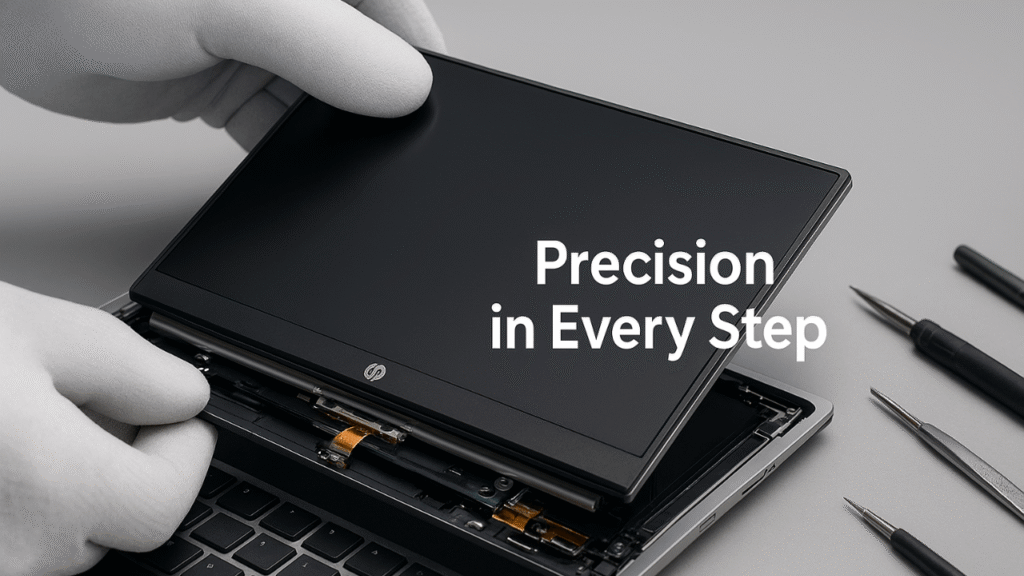
Finding the correct panel starts long before any HP laptop monitor replacement begins. Many screens look identical from the outside, yet tiny variations in connectors, size, and bracket alignment make them incompatible across models. The safest approach is checking the exact panel code printed on the back of the existing display. While this requires opening the laptop, the accuracy it provides is worth far more than relying on guesswork.
Even skilled technicians emphasize this step because a mismatch can lead to voltage issues, color inaccuracies, or complete failure midway through installation, all of which complicate the HP laptop monitor replacement process. HP laptops also use multiple screen suppliers for the same series, meaning two devices with the same model number might still require different panels. Identifying the right code ensures proper brightness, refresh rate, and compatibility. Once you have the panel’s exact designation, ordering becomes straightforward and risk-free, giving you confidence that the replacement will feel seamless rather than experimental.
DIY vs. Professional HP Laptop Monitor Replacement: Which Is Smarter?
It’s tempting to consider a personal attempt at HP laptop monitor replacement after watching a quick tutorial or two, especially when the process looks deceptively simple. Removing the bezel, loosening screws, and reconnecting a cable seem like manageable tasks. But the reality is that modern HP laptops use fragile components, tightly packed wiring, and pressure-sensitive connectors that can be damaged with even minor mishandling. A DIY approach works only if you’re comfortable working with delicate hardware.
In many cases, a technician ensures precision that dramatically improves the longevity of the repair, making the professional route the smarter option for HP laptop monitor replacement overall. The difference becomes clear when it comes to color calibration, connector alignment, and securing the panel without introducing light bleed. A professional also tests backlight behavior and ensures the screen remains flush with the frame—an outcome difficult to guarantee alone. The choice ultimately depends on skill, not courage; knowing when to hand the job to an expert is part of protecting your device.
Average Cost and What Affects the Price
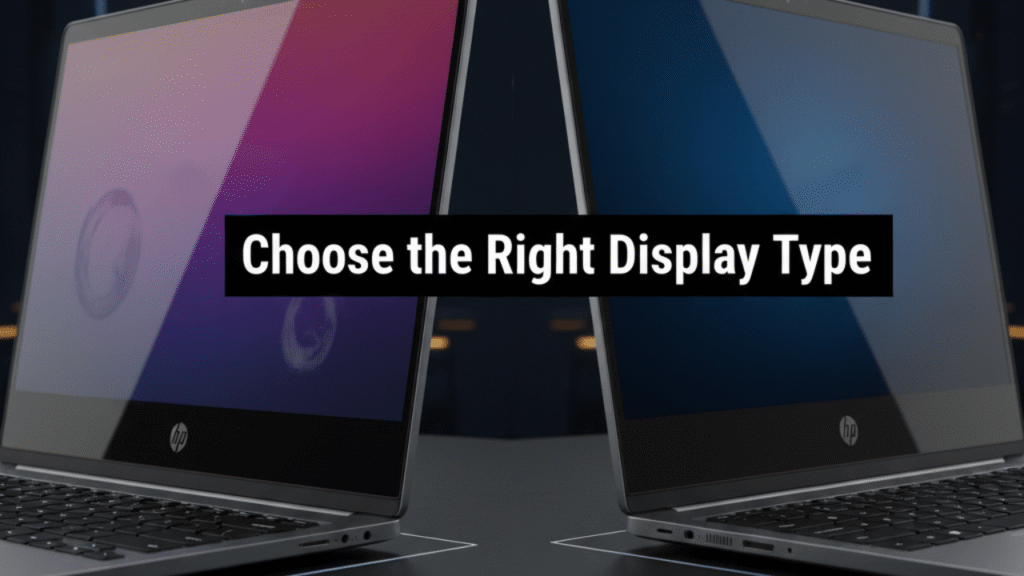
The moment you start researching HP laptop monitor replacement, the price range might surprise you because it varies more than most users expect. Several factors influence the final cost, starting with whether the panel is IPS, TN, OLED, or touchscreen. Touch-enabled screens naturally cost more due to integrated digitizers. Brightness levels, anti-glare coatings, and color gamut quality also change the price significantly. In short, you’re paying for more than a piece of glass.
Once you’re deeper into the details, you’ll notice how genuine parts impact the mid-range cost of an HP laptop monitor replacement compared to cheaper aftermarket panels. Authentic screens ensure correct color reproduction, better battery efficiency, and long-term durability. Labor fees also play a role, especially if the installation involves recalibrating touch input or handling edge-to-edge displays. While the cost may feel steep, the value lies in getting a screen that performs like the original rather than settling for a downgraded experience. Quality always pays back in clarity and reliability.
Touchscreen vs. Non-Touch: What You Must Know Before Buying
Choosing between touch and non-touch options becomes a crucial part of the HP laptop monitor replacement decision, especially for users who depend on gesture-based interaction. Touch panels contain multiple layers, including digitizers that sense input, making them more complex and expensive. But they offer a smooth, intuitive experience for creative tasks, note-taking, and navigation. If your laptop originally came with touch, downgrading to non-touch removes key functionality and affects resale value.
In mid-comparison, it becomes obvious why selecting the correct type influences the quality of your HP laptop monitor replacement. Touchscreens typically demand precise calibration after installation, while non-touch panels deliver a simpler, more durable solution for users who prioritize crisp visuals over interactivity. The choice depends entirely on your workflow. Gamers and writers often prefer non-touch for efficiency, while designers and students lean toward the dynamic responsiveness of touch-enabled screens.
How Long It Really Takes to Replace an HP Laptop Screen
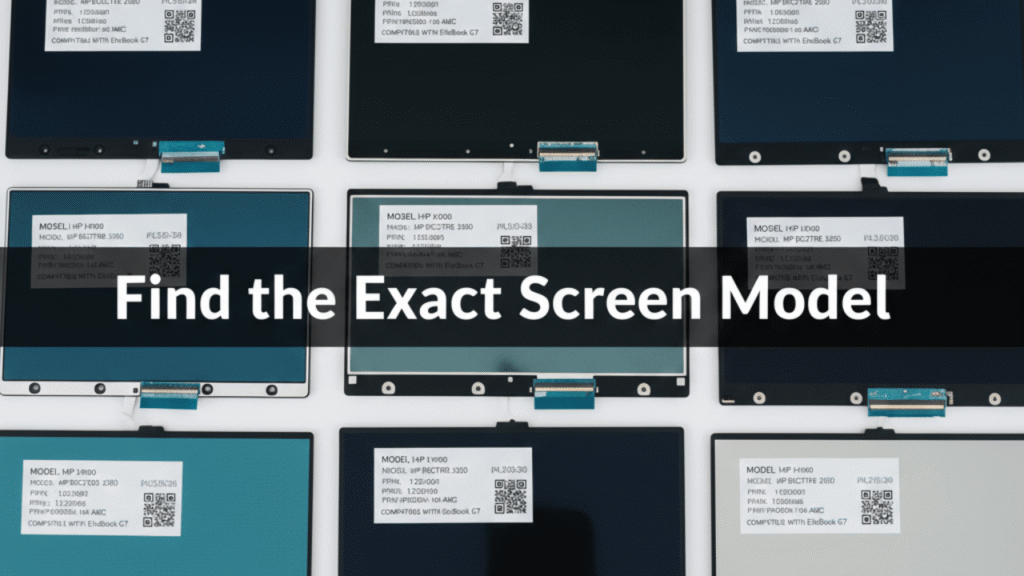
Most users assume an HP laptop monitor replacement takes hours, but the actual hands-on time is often surprisingly short. A trained technician can complete the job in under 30 minutes once the correct panel is available. The real time spent usually involves verifying compatibility, removing old adhesive, and ensuring internal components remain undisturbed. Touchscreen models may require extra care due to integrated cables and sensors.
By the time the replacement reaches the testing stage, the precision of a proper HP laptop monitor replacement becomes evident. Technicians check brightness, color uniformity, touch response, and pixel consistency. These quality checks ensure the new panel performs flawlessly before the laptop is sealed. While the procedure itself isn’t lengthy, the attention to detail is what guarantees a display that feels brand-new rather than hastily installed. Speed matters, but accuracy matters more.
Quality Checks After Installation (Most People Skip This!)
Once the display is installed during an HP laptop monitor replacement, most users rush to close the lid and get back to work—but this is the moment when careful testing matters most. Brightness levels should remain consistent across the screen without flickering or unusual shadows. Touch response must feel natural and immediate if you’re using a touch panel. External pressure points should be checked to ensure no light bleed appears along the edges.
Midway through these tests, you’ll see why thorough inspection defines the success of an HP laptop monitor replacement. A new display may show perfect visuals during setup but fail to maintain calibration during prolonged use if installed incorrectly. Checking for dead pixels, color deviation, and hinge pressure ensures the panel will hold up under daily stress. These extra minutes of attention can prevent long-term frustration and costly repairs.
Best Places to Buy Genuine HP Screen Panels
Finding a trusted source for genuine panels is essential before beginning any HP laptop monitor replacement. Official HP parts distributors offer the safest route, guaranteeing factory-matched specifications designed for your exact model. While online marketplaces offer cheaper options, authenticity becomes harder to verify. Panels that look identical can differ drastically in brightness, sharpness, and power usage.
During comparison shopping, you’ll notice that authorized suppliers maintain consistent quality, which is crucial for a reliable HP laptop monitor replacement. Third-party retailers with strong reputations may also offer OEM-grade screens, but always verify compatibility codes before purchasing. The extra diligence protects you from poor calibration, flickering, or reduced lifespan. Paying slightly more upfront ensures you receive a display worthy of the device it restores.

FAQs: HP Laptop Monitor Replacement
How do I know if my HP laptop screen needs replacement?
You’ll notice symptoms like flickering, dim lighting, dead pixels, or vertical lines appearing even during basic tasks. If external monitors work fine but your laptop display doesn’t, the panel is almost certainly the issue.
Can I replace my HP laptop screen at home?
It’s possible, but only safe if you’re comfortable working with delicate components. Modern HP laptops have tightly packed connectors, and a mistake can damage the motherboard. For most users, professional replacement is the smarter choice.
Is every HP laptop screen compatible with every model?
No. Even laptops from the same series may use different connector types or panel codes. Always match the exact screen model printed on the back of the existing panel to avoid compatibility issues.
How long does a professional HP screen replacement take?
Most technicians complete the physical installation within 20–40 minutes. Additional time may be needed for testing color accuracy, touch response, and backlight stability.
Are aftermarket HP screens safe to use?
Some are good, but many lack proper brightness, color consistency, or long-term durability. Genuine HP or OEM-grade panels provide the closest match to factory quality.
Why do touchscreen HP panels cost more to replace?
Touch displays include extra layers like digitizers and sensors, making them more complex and expensive. Calibration after installation also requires more time and precision.
Will replacing my HP laptop screen improve battery life?
Yes. A new panel typically uses power more efficiently, especially if the old one had a failing backlight or uneven brightness levels.
What should I check after installing a new HP laptop screen?
Look for dead pixels, color uniformity, consistent brightness, smooth touch response, and proper frame alignment. Any flicker or pressure spots should be fixed immediately.
How a New HP Monitor Impacts Performance, Color Accuracy, and Battery Life
Installing a fresh panel as part of your HP laptop monitor replacement instantly elevates the visual experience in ways users often underestimate. Colors regain their true vibrancy, text appears sharper, and motion feels smoother—especially if the old screen had deteriorated gradually. A new display reduces eye strain, making long working hours more comfortable. Designers and content creators will particularly notice improved color accuracy.
In the middle of daily use, the benefits gained from a HP laptop monitor replacement become even clearer. A properly calibrated new screen consumes less power because it no longer struggles with failing backlights or uneven brightness. This directly improves battery life, extending productivity on the go. With stronger visuals and better efficiency, the laptop feels revitalized—not upgraded, but restored to the performance it was originally built to deliver.
2 thoughts on “The Ultimate Guide to HP Laptop Monitor Replacement: Costs, Fixes & Smart Buying Tips for 2025”
Comments are closed.