

How to stop a phone from overheating has quietly become one of the most searched tech problems because smartphones no longer rest—they sprint all day. Modern phones pack desktop-level power into thin bodies with no active cooling. That performance density creates heat even when you’re not doing anything extreme. Social feeds refresh constantly, location services ping silently, and AI features work in the background. Heat is no longer a by-product of heavy use; it’s the cost of modern convenience.
The issue worsens because today’s devices prioritize speed over thermal margins. Processors boost aggressively to feel fast, then throttle only after temperatures rise. This delay makes overheating feel random when it’s actually cumulative. By the time warmth reaches your hand, internal components have already been stressed for minutes. That’s why users searching for how to stop a phone from overheating often feel blindsided—the damage begins long before the warning appears.
How modern apps and processors generate hidden heat
Apps rarely shut down completely. They sync, refresh, scan sensors, and process data in short bursts that keep the processor active. Newer chips amplify this by scaling power instantly, producing heat spikes that don’t feel dramatic individually but stack up quickly.
Why overheating feels “sudden” but builds over time
Heat accumulates invisibly inside sealed frames. When external temperature finally rises, it’s not a spike—it’s a delayed signal that internal thresholds were crossed earlier.
Early Warning Signs You Should Never Ignore
How to stop a phone from overheating starts with recognizing signals users are trained to dismiss. Phones rarely scream for help; they whisper. Slight lag, unexpected brightness drops, or a warm frame during light use aren’t quirks—they’re thermal defenses activating. Modern operating systems throttle performance silently to prevent damage, masking the seriousness of what’s happening beneath the glass.
Battery drain is often misread as aging when it’s actually heat stress. Lithium cells lose efficiency rapidly at high temperatures, forcing the system to compensate by consuming more power. Over time, this cycle becomes permanent. Those wondering how to stop a phone from overheating often overlook these early cues and only act once shutdown warnings appear—far too late for long-term health.
Performance drops, screen dimming, battery drain
Throttling reduces CPU speed to control heat, which feels like lag. Screen dimming lowers power draw because displays generate significant warmth. Faster battery loss occurs because heat increases internal resistance.
What these signals actually mean internally
These behaviors indicate thermal limits are being approached repeatedly. Each occurrence slightly degrades battery chemistry and stresses internal connectors.

Everyday Habits That Quietly Overheat Your Phone
How to stop a phone from overheating requires confronting habits that feel harmless because they’re common. Constant multitasking, never closing apps, and stacking usage types—like streaming while charging—push thermal systems beyond comfort zones. Phones are optimized for bursts, not endurance. When usage never pauses, heat has no chance to dissipate.
Notifications are another overlooked culprit. Each vibration, wake-screen, and sync request forces micro-activations that keep components warm. Over hours, these add up. People searching for how to stop a phone from overheating often expect a technical fix, not a behavioral one, yet behavior is the dominant factor.
Multitasking patterns most users repeat daily
Switching rapidly between apps prevents processors from downshifting. Background refresh keeps radios active, compounding heat even when the screen is off.
Usage mistakes that seem harmless but aren’t
Using thick cases, resting phones on fabric, or keeping them in pockets blocks heat release. These habits trap warmth until systems are forced to intervene.
How to Stop Phone from Overheating During Heavy Use
How to stop a phone from overheating becomes critical when phones are pushed into sustained performance modes. Gaming, navigation, and video recording demand continuous processing, GPS tracking, and high display output simultaneously. Unlike short tasks, these modes don’t allow cooldown cycles. Heat rises steadily, not sharply, making it harder to notice until limits are reached.
Thermal stress isn’t about intensity alone—it’s about duration. Thirty minutes of navigation in sunlight can be worse than a quick gaming session indoors. Users researching how to stop a phone from overheating often focus on power, but timing and environment matter just as much.
Gaming, video recording, and GPS heat behavior
These tasks engage the CPU, GPU, radios, and display at once. Heat spreads across the device, overwhelming passive cooling faster than expected.
Smart usage timing that reduces thermal stress
Breaking heavy tasks into shorter sessions allows internal temperatures to normalize. Even brief pauses dramatically reduce cumulative heat load.
How to Stop Phone from Overheating While Charging
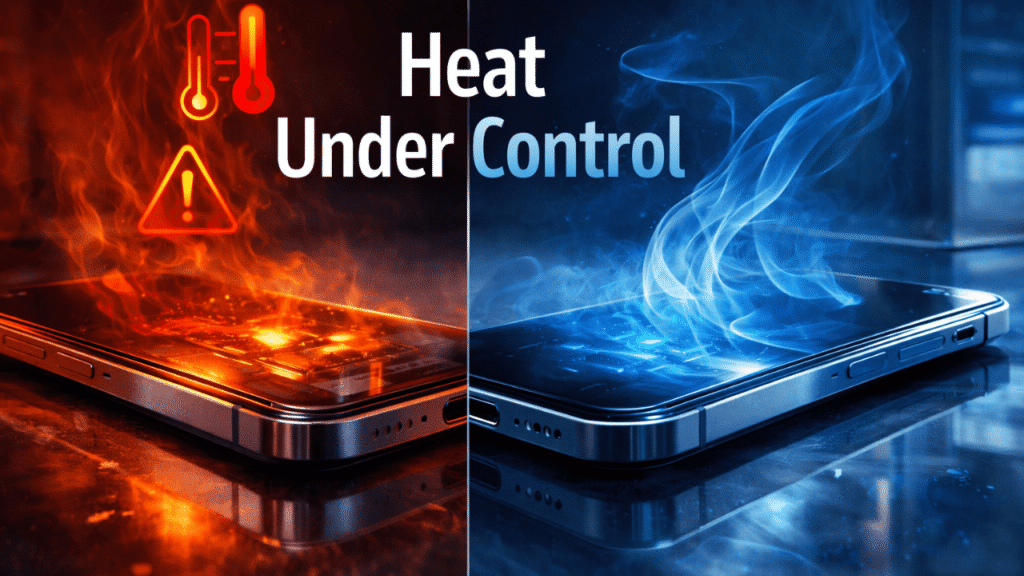
How to stop a phone from overheating during charging requires understanding a simple truth: charging already creates heat. Add usage on top, and temperatures climb exponentially. Fast charging intensifies this effect by pushing higher currents through compact circuits. The phone may feel fine initially, then suddenly warm rapidly.
Surface choice matters more than speed. Soft materials trap heat beneath the device, preventing dissipation. Many users searching how to stop a phone from overheating blame chargers when the real issue is airflow and contact surfaces.
Charging speed vs heat generation
Higher wattage increases internal resistance heat. While safe, it reduces thermal headroom, leaving less margin for additional tasks.
Cable, adapter, and surface mistakes to avoid
Low-quality cables increase resistance. Charging on beds, couches, or dashboards blocks heat escape, forcing internal throttling.
Environmental Factors That Trap Heat Inside Your Phone
How to stop a phone from overheating isn’t only about usage—it’s about surroundings. Phones rely entirely on ambient air to shed heat. When that air is hot, stagnant, or blocked, internal temperatures climb rapidly. Sunlight heats glass directly, bypassing internal sensors until it’s too late.
Cars are particularly dangerous. Even brief exposure turns interiors into heat chambers. People asking how to stop a phone from overheating often underestimate environmental impact because it feels external, yet it’s one of the fastest ways to trigger thermal shutdowns.
Sunlight, pockets, cars, and airflow blockage
Direct sun raises surface temperature instantly. Pockets and bags trap warmth, preventing convection from cooling internal components.
Where your phone should never be placed
Dashboards, bedding, gym lockers, and enclosed compartments create thermal traps that overwhelm passive cooling systems.
Settings That Reduce Heat Without Killing Performance
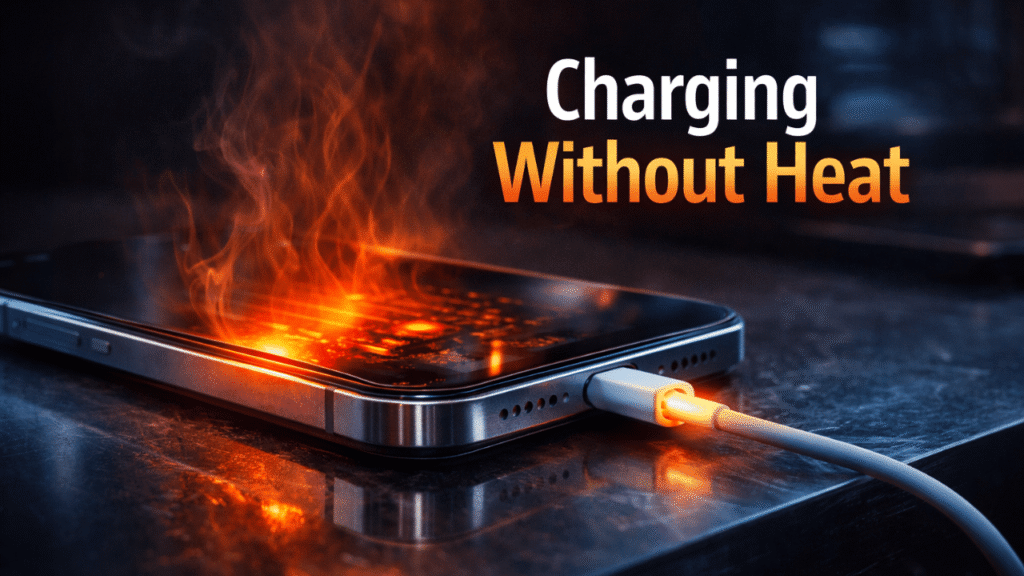
How to stop a phone from overheating doesn’t require sacrificing usability. Strategic adjustments reduce heat without noticeable slowdown. Displays are the biggest heat contributors; connectivity features are second. Managing these intelligently lowers baseline temperature, giving the processor breathing room.
The key is restraint, not restriction. Over-optimizing can cause more wake-ups and background activity, ironically increasing heat. Users exploring how to stop a phone from overheating should aim for balance, not minimalism.
Display, background activity, and connectivity tweaks
Lower sustained brightness, reduce background refresh, and limit unnecessary radios. These changes reduce constant thermal pressure.
What to adjust and what to leave untouched
Avoid aggressive task killers and extreme power-saving modes. They trigger repeated system spikes that counteract cooling benefits.
Common Cooling Myths That Actually Make Things Worse
How to stop a phone from overheating is often derailed by viral advice that feels logical but backfires. Refrigerators, ice packs, and sudden temperature drops create condensation risks. Cooling apps promise control but often add background load.
Quick fixes appeal because overheating feels urgent. Yet those searching for how to stop a phone from overheating need stability, not shock solutions.
Why quick “internet fixes” fail
Rapid cooling stresses materials and batteries. Apps lack access to thermal controls and often increase CPU activity instead.
Safe alternatives that truly work
Gradual cooldowns, airflow exposure, and usage pauses stabilize temperatures without introducing new risks.
Long-Term Prevention: Protecting Battery & Performance
How to stop a phone from overheating long-term is really about preserving battery chemistry. Heat accelerates degradation, reducing capacity and peak output permanently. Once damaged, batteries generate more heat under load, creating a vicious cycle.
Consistent thermal management extends usable lifespan significantly. People searching how to stop a phone from overheating often don’t realize prevention today determines performance years later.
How heat shortens battery lifespan
High temperatures alter chemical structure, increasing resistance. This reduces efficiency and raises heat generation during normal use.
Habits that keep your phone cool year-round
Moderate charging habits, mindful usage timing, and environmental awareness prevent cumulative thermal stress.
Frequently Asked Questions
How to stop a phone from overheating during normal use?
Background apps, syncing, poor signal strength, or software bugs can quietly stress the processor and battery, causing heat buildup without visible activity.
How to stop a phone from overheating while gaming for long sessions?
Lower graphics settings, take short breaks, and avoid charging while gaming to reduce continuous processor and battery strain.
Is phone overheating dangerous for the battery?
Yes, repeated exposure to high temperatures permanently reduces battery capacity and can shorten overall device lifespan.
How to stop phone from overheating during charging at night?
Use a certified charger, remove thick cases, and charge on a flat, cool surface instead of beds or sofas that trap heat.
Can software updates help fix overheating issues?
In many cases, yes—updates often optimize performance, fix bugs, and improve thermal management.
Should I put my phone in the fridge to cool it down?
No, sudden temperature changes can cause internal condensation and damage sensitive components.
How to stop phone from overheating in hot weather?
Keep it out of direct sunlight, avoid heavy tasks outdoors, and reduce screen brightness to minimize heat generation.
When should overheating be considered a serious problem?
If your phone shuts down frequently, smells hot, or drains battery extremely fast, it may indicate hardware or battery failure.
When Overheating Means It’s Time for Repair or Upgrade
How to stop a phone from overheating sometimes means accepting that software fixes aren’t enough. Persistent heat during light use signals failing batteries or degraded thermal interfaces. No setting can reverse physical wear.
Recognizing this saves time and frustration. Users chasing how to stop a phone from overheating indefinitely often miss the point where intervention becomes necessary.
Signs of hardware or battery failure
Swelling, rapid temperature rise, and sudden shutdowns indicate compromised components requiring professional attention.
Knowing the difference between normal heat and damage
Warmth under load is expected. Heat during idle use is not—and it’s the clearest signal something deeper is wrong.
2 thoughts on “Why Phone Overheating Is a Growing Problem”
Comments are closed.