
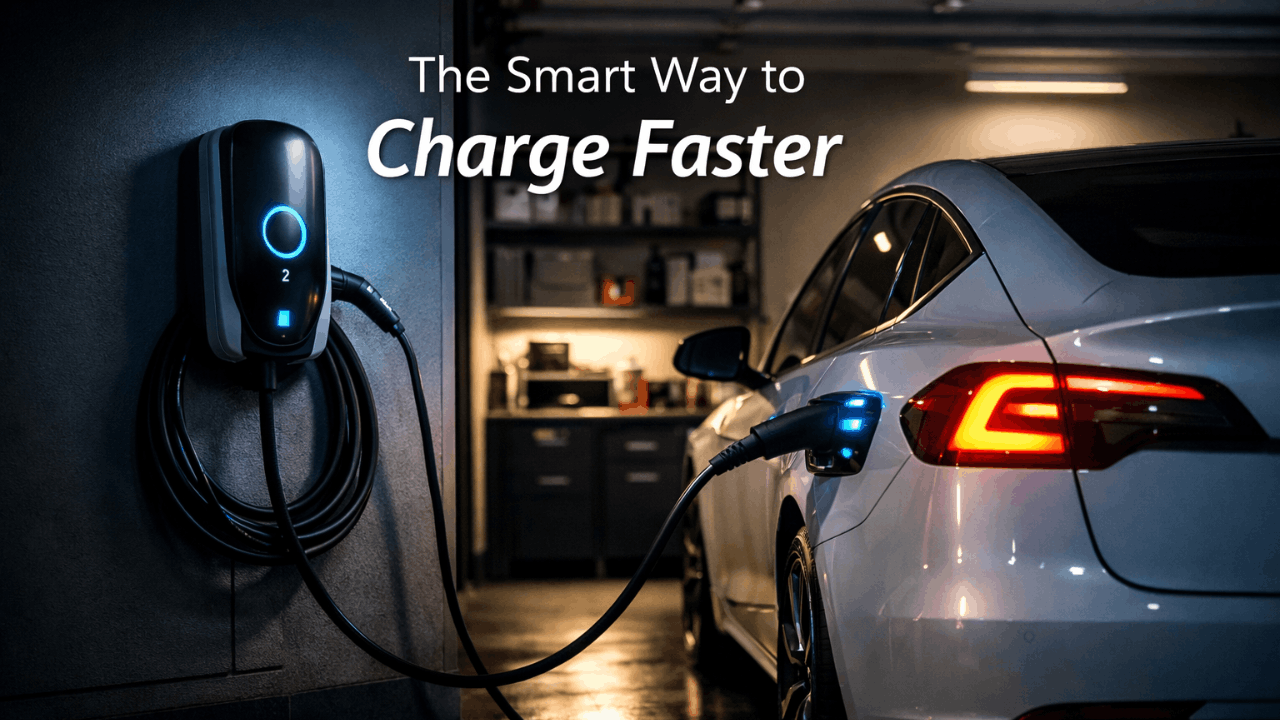
Best level 2 EV charger searches are rarely casual curiosity—they signal a buyer who is close to making a decision and wants clarity without marketing noise. Most users already know that slow charging is a daily frustration, and they’re actively looking for a charger that balances speed, safety, and long-term value. What they want is not just a product name, but confidence that they’re choosing correctly.
Behind the query is a practical concern: understanding what a level 2 charger actually does and whether it meaningfully improves everyday EV ownership. People want to know how much faster charging becomes, what kind of electrical setup is required, and whether a single charger works across multiple vehicle brands. Cost anxiety plays a role too, especially when installation enters the equation.
Comparison intent sits at the center of this search. Users are trying to separate marketing claims from real-world performance, weighing smart features against reliability, and deciding whether premium pricing delivers measurable benefits. Compatibility questions surface frequently, especially among households with more than one EV or plans to switch brands.
By the midpoint of their research, readers want decisive guidance. That’s where the best level 2 EV charger content succeeds—by cutting through vague advice and offering context that aligns price, features, and usage patterns into a clear buying direction.
Introduction
Best level 2 EV charger conversations have become unavoidable as electric vehicles move from novelty to necessity. A level 2 charger is a 240-volt charging system designed to dramatically reduce charging time compared to standard wall outlets, turning overnight charging into a reliable routine rather than a gamble.
The importance of choosing wisely has increased in 2025 as EV batteries grow larger and daily driving ranges expand. A poorly matched charger can bottleneck performance, waste energy, or limit future vehicle upgrades. In contrast, the right charger integrates seamlessly into daily life, working quietly in the background while delivering consistent power.
Charging speed is the most visible difference. While level 1 chargers can take an entire day to restore range, level 2 units typically deliver a full charge overnight. That shift alone changes how drivers plan commutes, road trips, and household energy usage.
This category isn’t limited to homeowners. Businesses, apartment managers, and fleet operators increasingly rely on level 2 chargers to meet growing demand without the infrastructure burden of DC fast charging. Midway through ownership decisions, many realize the best level 2 EV charger is less about raw speed and more about dependable, future-proof performance.

Understanding Level 2 EV Chargers (Context)
Best level 2 EV charger performance begins with how the technology functions at a basic electrical level. These chargers operate on 240-volt circuits, similar to large household appliances, allowing significantly higher power transfer than standard outlets. The result is faster charging without the heat and efficiency losses common to improvised setups.
Voltage alone doesn’t tell the full story. Amperage determines how much energy flows into the vehicle, which directly impacts charging time. A 32-amp charger suits most daily drivers, while higher-amp units cater to larger batteries and heavier usage patterns. The balance between speed and electrical capacity matters more than chasing maximum output.
Comparisons across charging levels clarify expectations. Level 1 chargers emphasize accessibility, level 2 chargers focus on practicality, and DC fast chargers prioritize speed at the expense of cost and infrastructure. For most users, level 2 hits the sweet spot between convenience and efficiency.
Compatibility concerns are often overstated. Modern chargers support universal standards, allowing seamless use across Tesla, Nissan, Chevy, Hyundai, and future EV models with minimal adaptation. That flexibility makes the best level 2 EV charger a long-term investment rather than a single-vehicle accessory.
Key Features to Look for in the Best Level 2 EV Charger
The best level 2 EV charger selection hinges on understanding features that actually affect daily use, not just spec sheet numbers. Charging speed varies across 32-amp, 40-amp, and 48-amp units, and higher output only matters if your electrical system can safely support it. Matching power to infrastructure avoids unnecessary upgrades.
Smart functionality has shifted from luxury to expectation. Wi-Fi connectivity, app-based scheduling, and energy monitoring help users charge during off-peak hours and track consumption without manual oversight. These features quietly reduce long-term operating costs.
Safety certifications deserve more attention than branding. Independent approvals ensure the charger manages heat, power surges, and environmental exposure without degrading over time. This becomes critical for outdoor installations where weather resistance is non-negotiable.
Physical design also influences usability. Cable length determines parking flexibility, while insulation quality affects longevity. Wall-mounted units favor permanent setups, whereas portable chargers appeal to renters or frequent movers. Midway through evaluation, many realize the best level 2 EV charger is defined less by innovation and more by thoughtful, durable engineering.
Best Level 2 EV Chargers in 2025 (Comparison Section)
The best level 2 EV charger comparisons in 2025 reveal a market that has matured rapidly, favoring refinement over novelty. Top-tier models distinguish themselves through consistent performance, intuitive software, and build quality that holds up under daily stress rather than flashy add-ons.
The best overall chargers strike a balance. They offer fast charging without pushing electrical limits, include smart features that work reliably, and maintain broad vehicle compatibility. These models suit users who want simplicity without sacrificing future readiness.
Budget-friendly options focus on fundamentals. They deliver dependable charging speeds with fewer connected features, appealing to drivers who value reliability over app-centric control. For many households, this category provides the strongest value proposition.
Smart-focused chargers prioritize energy analytics and remote management, ideal for users optimizing solar integration or shared charging environments. Home-specific models emphasize quiet operation and compact design, while commercial units scale durability and user access controls. In the middle of these choices, the best level 2 EV charger becomes a reflection of usage habits rather than a universal winner.

Installation Requirements & Costs
Best level 2 EV charger ownership includes installation considerations that often surprise first-time buyers. These chargers require a dedicated 240-volt circuit, and electrical panel capacity determines whether upgrades are necessary. Skipping this assessment can lead to performance issues or safety risks.
The installation process typically involves circuit installation, breaker configuration, and mounting placement. Professional electricians ensure compliance with local codes, which protects warranties and avoids insurance complications. While DIY approaches exist, they rarely account for long-term reliability.
Costs vary widely based on distance from the electrical panel and local permit requirements. Simple installations remain affordable, while complex layouts raise expenses. Planning charger placement early helps control these variables.
Common mistakes include underestimating amperage needs, choosing inconvenient mounting locations, and ignoring future EV upgrades. By installation’s midpoint, many buyers realize the best level 2 EV charger is only as good as the infrastructure supporting it.
Pros and Cons of Level 2 EV Chargers
The best level 2 EV charger discussions benefit from honest evaluation rather than promotional optimism. The primary advantage is speed. Charging times drop from days to hours, making overnight replenishment reliable even for larger batteries. Over time, this convenience reshapes daily driving habits.
Cost efficiency emerges gradually. While upfront expenses exist, reduced reliance on public charging offsets initial investment. Level 2 chargers also integrate well with time-of-use electricity plans, lowering operating costs without behavioral changes.
However, limitations remain. Installation costs can deter renters or older homes without panel capacity. Professional setup adds complexity, and charging still lags behind DC fast stations for rapid turnaround.
Despite drawbacks, the balance favors practicality. For most users, the best level 2 EV charger offers the most efficient compromise between speed, affordability, and everyday usability without unnecessary infrastructure strain.

Who Should Buy a Level 2 EV Charger? (Benefit Section)
Best level 2 EV charger suitability depends less on vehicle brand and more on lifestyle. Daily commuters benefit immediately, as predictable overnight charging removes range anxiety from weekday routines. Reliability becomes a quiet but essential advantage.
Homeowners with garages gain the most control. Dedicated parking allows consistent charging habits, energy scheduling, and minimal wear on public infrastructure. Over time, this setup becomes second nature.
Apartment complexes and offices increasingly adopt level 2 chargers to meet tenant expectations without overloading electrical systems. Shared access models spread cost while adding property value.
Businesses offering EV charging attract customers and employees while future-proofing facilities. In each case, the best level 2 EV charger aligns infrastructure with real usage rather than theoretical peak demand.
Safety, Maintenance & Warranty Tips
Best level 2 EV charger reliability depends on consistent safety practices rather than constant oversight. Using certified equipment, avoiding extension cables, and ensuring proper ventilation reduce risk from the outset. These habits protect both vehicle and property.
Maintenance remains minimal but important. Periodic inspection of cables, connectors, and mounting hardware prevents gradual wear from becoming failure. Outdoor units benefit from occasional cleaning to maintain weather seals.
Warranty coverage often signals manufacturer confidence. Longer warranties and responsive customer support matter more than marginal feature differences. When issues arise, service quality determines downtime.
Mid-ownership, users often recognize that the best level 2 EV charger isn’t the one with the most features, but the one that continues working quietly year after year.
FAQs – Best Level 2 EV Charger
What makes a charger qualify as the best level 2 EV charger for home use?
A charger earns that label when it balances charging speed, safety certifications, and long-term reliability rather than focusing on peak power alone. Home users benefit most from stable amperage, smart scheduling, and broad vehicle compatibility. A well-designed unit should charge overnight without stressing the electrical system. In practice, the best level 2 EV charger for home use feels invisible—it simply works every day without manual intervention.
Is a level 2 EV charger worth the investment compared to public charging?
For regular EV drivers, the value becomes clear within months. Home charging eliminates daily detours to public stations and avoids fluctuating pricing models. Over time, the convenience and energy cost savings often outweigh the upfront expense. This is why many owners consider a personal setup with the best level 2 EV charger an essential upgrade rather than a luxury.
How fast does the best level 2 EV charger actually charge an electric vehicle?
Charging speed depends on both the charger’s amperage and the vehicle’s onboard charger. Most EVs gain a full charge within six to ten hours, making overnight charging realistic even for long-range models. This consistency is what separates level 2 charging from slower alternatives. With the best level 2 EV charger, daily range anxiety quietly disappears.
Can a level 2 EV charger work with different EV brands?
Modern chargers are built around universal charging standards, allowing them to support most electric vehicles on the market. Tesla, Nissan, Chevy, Hyundai, and other major brands can all use level 2 chargers with minimal adaptation. This flexibility protects buyers from brand lock-in. Choosing the best level 2 EV charger ensures compatibility even if you change vehicles in the future.
Do I need to upgrade my electrical panel to install a level 2 charger?
Not always, but it depends on your home’s existing capacity. Some households can support a 32-amp charger without upgrades, while higher-output units may require panel improvements. A professional evaluation prevents overload risks. Many buyers discover that selecting the best level 2 EV charger for their setup avoids unnecessary electrical work.
Is it safe to use a level 2 EV charger every day?
Daily use is exactly what these chargers are designed for. Certified units regulate heat, monitor current flow, and shut down automatically if issues arise. Safety depends more on proper installation than frequency of use. When installed correctly, the best level 2 EV charger operates as safely as any major household appliance.
What maintenance does a level 2 EV charger require?
Maintenance is minimal but important. Occasional cable inspection and connector cleaning help prevent long-term wear. Outdoor units benefit from checking weather seals periodically. High-quality models require little attention, reinforcing why buyers often prioritize durability when choosing the best level 2 EV charger.
Conclusion & Buyer Recommendation
Best level 2 EV charger decisions ultimately reflect how drivers value time, reliability, and future readiness. Choosing a charger that matches electrical capacity, daily mileage, and long-term plans prevents frustration and unnecessary upgrades.
Budget-focused buyers should prioritize certified reliability over features, while tech-oriented users benefit from smart energy management. Commercial and shared spaces demand durability and access control above all else.
The strongest recommendation is simple: invest once, install correctly, and let the system fade into the background. When done right, the best level 2 EV charger delivers exactly what modern EV ownership promises—effortless charging that keeps pace with life.
Choose smart, charge faster, drive worry-free.
3 thoughts on “Best Level 2 EV Charger: A Smarter Way to Power Your Electric Drive”
Comments are closed.