
Introduction
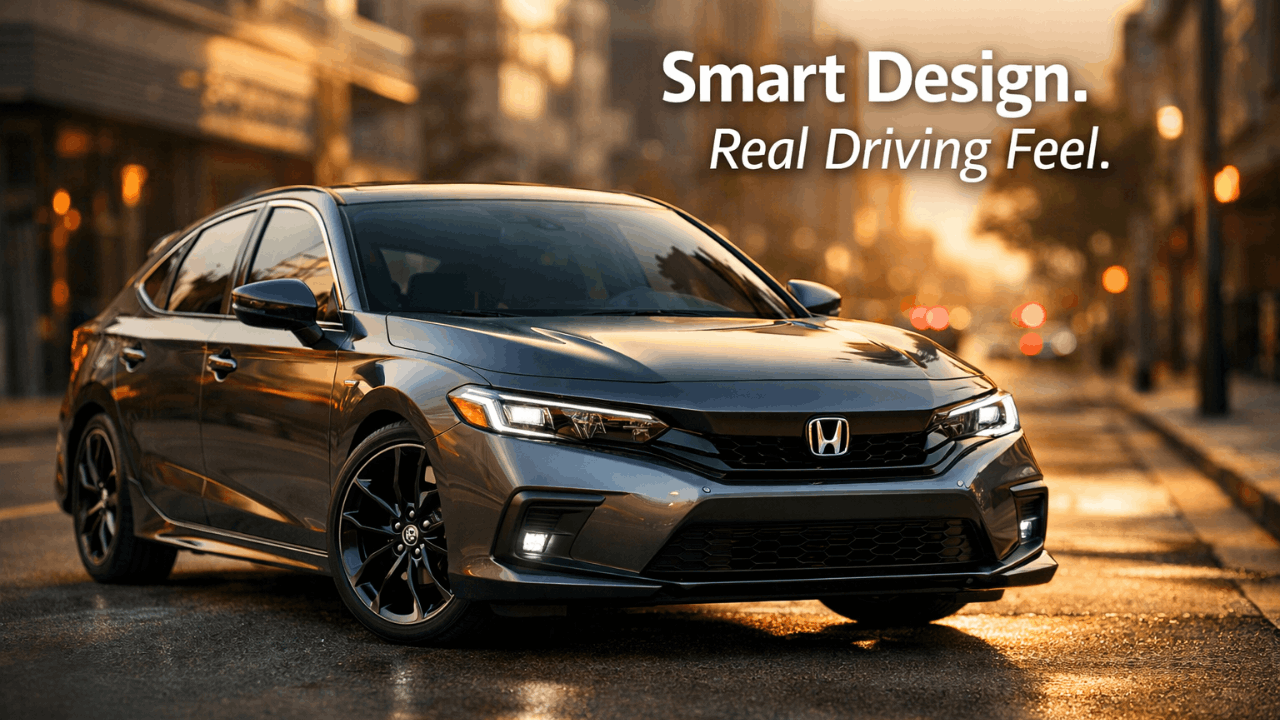
The Honda Civic hatchback arrives as one of those rare compact cars that feels deliberately engineered rather than strategically marketed. It does not chase trends or exaggerate its personality; instead, it refines what a modern hatchback should be—balanced, responsive, and quietly confident. From the first moment behind the wheel, it becomes clear that Honda focused on how people actually drive, live, and adapt day to day.
What makes the Honda Civic hatchback stand out in a crowded compact segment is its refusal to lean too heavily into a single strength. While many competitors choose either sportiness or practicality, this car blends both without diluting either. The exterior remains sharp yet restrained, the interior prioritizes clarity over clutter, and the driving experience feels tuned for real roads, not spec sheets.
Performance, design, and practicality intersect naturally here. The hatchback layout enhances cargo flexibility, the chassis delivers composed handling, and fuel efficiency remains competitive. Midway through its appeal, the Honda hatchback proves that smart evolution still beats radical reinvention, especially for buyers who value longevity over novelty.
What Is the Honda Civic Hatchback?
At its core, the Honda Civic hatchback is designed to offer everyday versatility without abandoning driving engagement. The hatchback body style replaces the traditional trunk with a rear liftgate, creating a more adaptable cargo area that changes how the car functions in daily life. This design is not about appearance alone; it directly impacts usability.
Compared to the Civic Sedan, the Honda Hatchback feels more flexible and less restrictive. The sedan maintains a classic profile and separate cargo space, while the hatchback allows taller items, wider loads, and easier access. This difference becomes noticeable when errands evolve into weekend plans or when space demands fluctuate unexpectedly.
The target audience is intentionally broad. Daily commuters benefit from efficiency and maneuverability, small families appreciate added storage and safety, and enthusiasts enjoy the lower stance and sharper handling. In the middle of its identity, the Honda Civic hatchback adapts seamlessly, making it one of the most versatile interpretations of the Civic nameplate.
Honda Hatchback Exterior Design
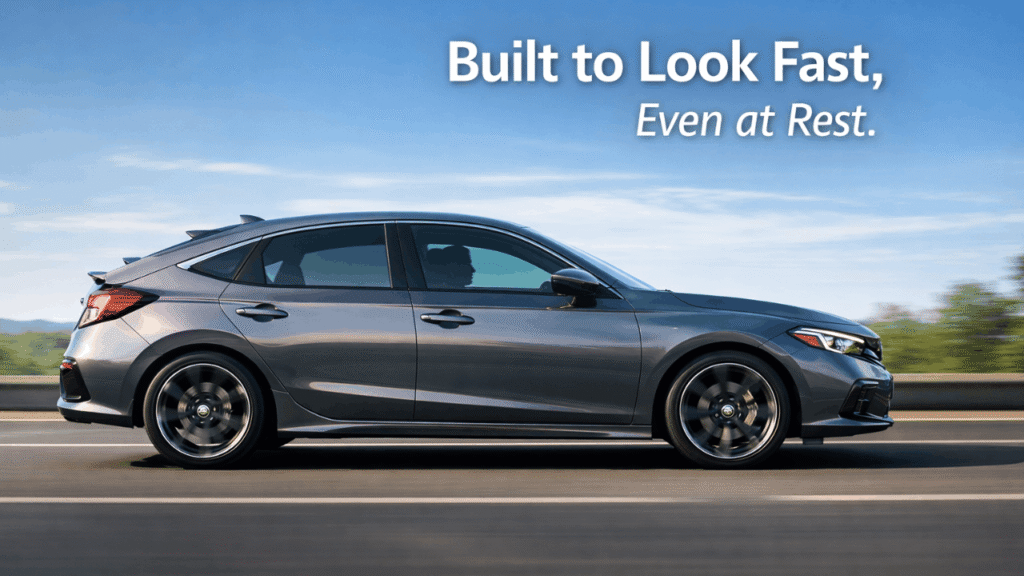
The exterior of the Honda Civic hatchback communicates maturity rather than aggression. Its proportions are carefully measured, giving it a planted stance without visual heaviness. Instead of relying on dramatic curves, Honda focused on clean surfaces and aerodynamic efficiency.
The front fascia introduces a modern grille design paired with sleek LED headlights that provide clarity without excess ornamentation. Body lines flow smoothly from front to rear, reinforcing motion even when the car is stationary. This cohesive design language helps the Civic hatchback appear refined rather than overstyled.
Wheel options and color selections enhance customization without overwhelming the design. Whether finished in understated tones or bolder shades, the vehicle retains its identity. Midway through the profile, the Honda Civic hatchback demonstrates how subtlety can be more striking than spectacle, especially in long-term ownership.
Interior Design and Comfort
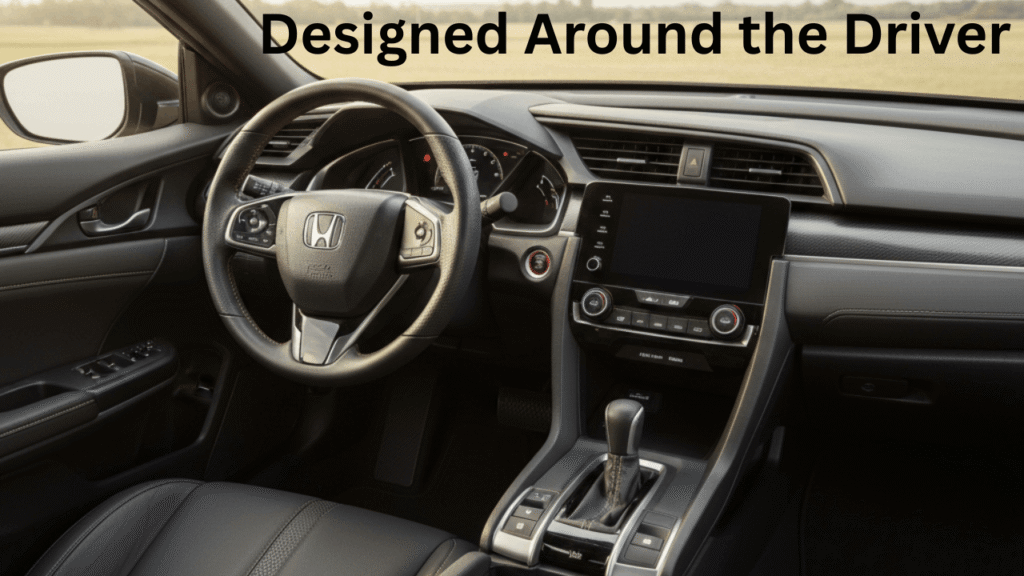
Inside the Honda Civic hatchback, the cabin feels purpose-built rather than decorative. Honda prioritizes visibility, intuitive control placement, and materials that feel durable rather than flashy. The dashboard layout avoids unnecessary complexity, creating a calm driving environment.
Seating comfort is tuned for extended use. Front seats provide support that reduces fatigue, while rear seating offers enough room for adults without compromise. The cabin remains quiet at speed, reinforcing the car’s refined character. In everyday use, the Civic hatchback feels accommodating rather than cramped.
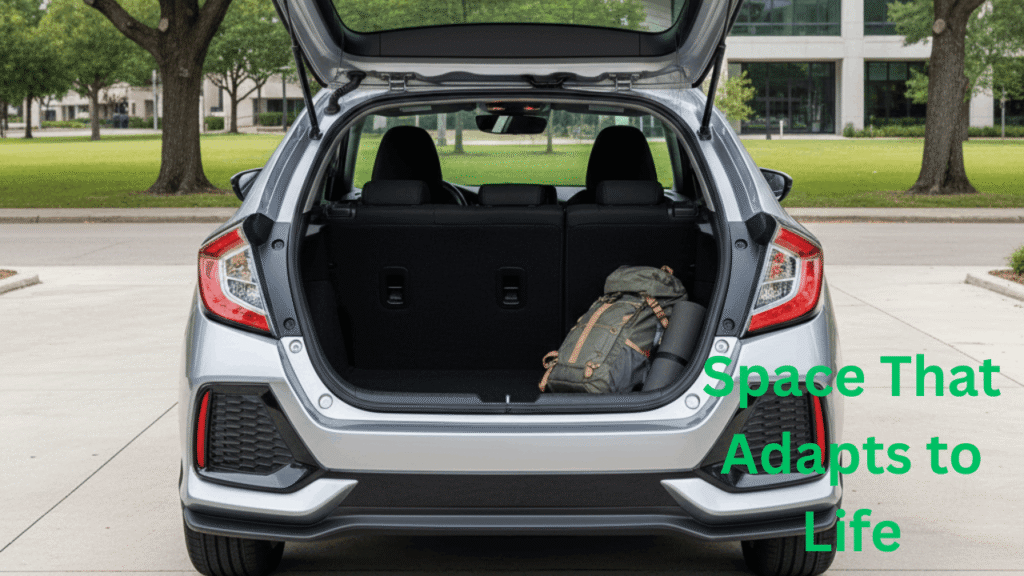
Cargo flexibility is where the interior truly distinguishes itself. The rear seats fold smoothly, expanding usable space without awkward transitions. Halfway through ownership, many drivers realize the Honda Civic hatchback behaves like a larger vehicle when needed, yet remains compact when space efficiency matters most.
Engine, Performance, and Driving Experience
The Honda Civic hatchback delivers power with restraint, emphasizing smoothness over raw output. Engine options are calibrated to respond predictably, making acceleration confident but never abrupt. This tuning benefits both new drivers and experienced enthusiasts.
Fuel efficiency remains competitive across city and highway conditions. The engine adapts well to stop-and-go traffic while maintaining composure at cruising speeds. In the middle of daily driving scenarios, the Honda Civic hatchback proves efficient without feeling underpowered.
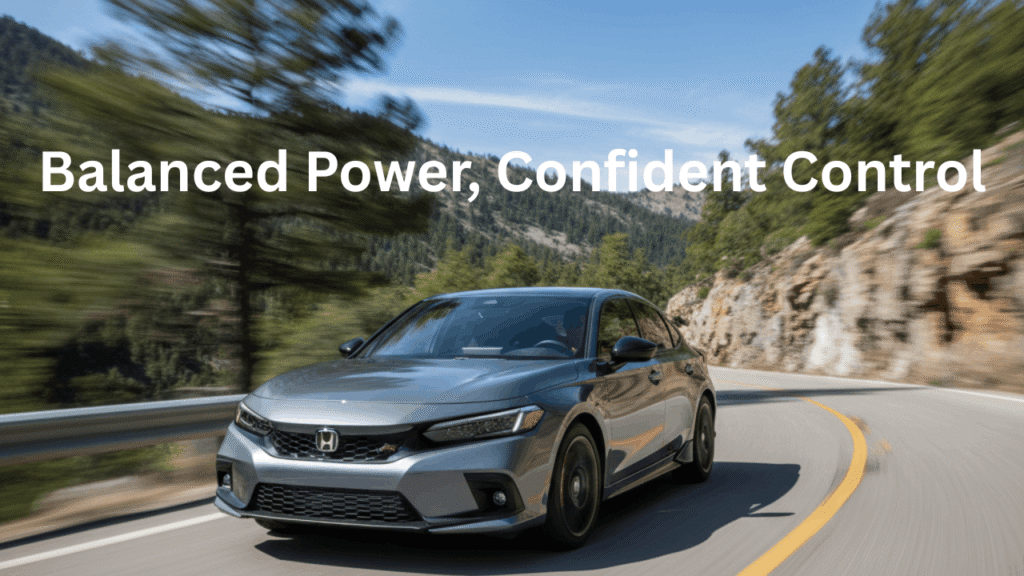
Handling is one of its strongest traits. Steering is precise, suspension absorbs imperfections intelligently, and overall balance inspires confidence. Rather than feeling stiff or overly sporty, the Honda hatchback delivers control that feels natural, making every drive more engaging without demanding attention.
Technology and Infotainment Features
Technology in the Honda Civic hatchback prioritizes usability over novelty. The touchscreen interface responds quickly and avoids visual clutter, allowing drivers to focus on function rather than learning curves. Menus feel logical and consistent.
Smartphone integration works seamlessly, blending personal devices with the vehicle’s systems. Connectivity enhances convenience instead of overwhelming the experience. Midway through daily use, the Civic hatchback proves that good technology should fade into the background.
Digital displays provide essential information clearly and efficiently. Driver-focused controls reduce distraction, reinforcing Honda’s philosophy that technology should support driving, not replace it.
Safety and Driver Assistance Features
Safety in the Honda Civic hatchback feels integrated rather than optional. Honda Sensing technology operates quietly, assisting without intruding. These systems are designed to prevent fatigue and improve awareness.
Features such as adaptive assistance and collision mitigation work smoothly in real traffic. They respond predictably, building trust over time. The Honda hatchback avoids abrupt interventions that can feel unsettling.
Structurally, the vehicle maintains Honda’s reputation for durability and crash performance. Over years of ownership, the Honda Civic hatchback consistently reinforces its image as a dependable and secure choice.
Honda Hatchback Variants and Trims
Choice defines the appeal of the Honda Civic hatchback, because Honda does not treat trims as cosmetic afterthoughts. Each variant meaningfully adjusts the experience, allowing buyers to prioritize efficiency, comfort, or performance without straying from the core identity of the car. Even the entry-level versions feel complete rather than stripped down.
Lower trims focus on clean design, dependable performance, and essential technology, making them ideal for drivers who want reliability without unnecessary extras. As you move upward, the differences become more tactile. Materials improve, cabin noise drops, and technology becomes more immersive. Midway through the lineup, the Honda Civic hatchback begins to feel genuinely premium rather than simply well-equipped.
Higher trims lean into refinement and sport-inspired features, but value remains a central theme. The best trim for most buyers is often the one that balances comfort and technology without pushing the price into diminishing returns. That careful calibration across trims ensures the Civic hatchback never loses its sense of purpose.
Pros and Cons of Civic Hatchback
Strength is subtle in the Honda Civic hatchback, and that is precisely why its advantages hold up over time. The design remains modern without aging quickly, the driving dynamics feel composed in nearly every situation, and the cargo flexibility changes how usable the car feels day to day. These benefits reveal themselves gradually rather than relying on first impressions.
Reliability plays an equally important role. The Honda hatchback rarely demands attention beyond routine care, which lowers stress and ownership costs. Performance is consistent rather than dramatic, giving drivers confidence rather than adrenaline spikes. That balance becomes more valuable the longer the car is owned.
There are limitations worth acknowledging. Higher trims can push pricing close to larger vehicles, and rear headroom may feel restrictive for taller passengers. Still, these drawbacks surface occasionally, while the strengths of the Honda Civic hatchback influence nearly every drive, making the trade-off easy to accept.
Honda Civic Hatchback Price and Value
Pricing for the Honda Civic hatchback reflects intention rather than competition alone. Honda does not undercut rivals aggressively, choosing instead to justify cost through build quality, engineering refinement, and long-term ownership confidence. That approach becomes clearer with time.
What buyers pay for is not just a feature list. Materials age well, mechanical components remain dependable, and the driving experience stays consistent even after years of use. Midway through ownership, many drivers realize the Civic hatchback costs less to live with than cheaper alternatives that require more attention.
Value also extends beyond daily use. Strong resale demand keeps depreciation in check, which matters when ownership eventually changes hands. When viewed across several years rather than at purchase alone, the Honda Civic hatchback proves itself as a smart financial decision rather than a short-term indulgence.
Honda Hatchback vs Competitors
Competition in the compact hatchback segment is intense, yet the Honda Civic hatchback remains difficult to replace because it avoids extremes. Some rivals focus heavily on efficiency, while others emphasize styling or performance at the expense of comfort. Honda instead chooses balance.
Against the Toyota Corolla Hatchback, the Honda Civic hatchback feels more engaging and flexible, especially when driving dynamics and interior usability are considered. Compared to the Mazda3 Hatchback, it sacrifices a touch of visual drama in exchange for superior practicality and rear-seat functionality.
This ability to satisfy multiple priorities simultaneously is why the Honda hatchback continues to stand out. It does not dominate one category outright, but it consistently performs well across all of them, which matters more in everyday ownership than headline features.
Who Should Buy the Civic Hatchback?
The Honda Civic hatchback is built for drivers who want one vehicle to handle many roles without compromise. It suits commuters who value efficiency and maneuverability, yet it remains comfortable enough for longer highway drives. That flexibility defines its character.
Urban drivers benefit from compact dimensions and excellent visibility, while suburban and highway users appreciate stability and refinement. The car adapts smoothly to changing routines, making it ideal for people whose needs evolve over time. In the middle of real-life usage, the Honda Civic hatchback rarely feels out of place.
It is especially well-suited to buyers who plan to keep their vehicle for several years. For those who value reliability, resale strength, and consistent performance, the Civic hatchback offers peace of mind rather than constant novelty.
Ownership, Maintenance, and Reliability
Ownership of the Honda Civic hatchback is defined by predictability, which is increasingly rare. Routine maintenance follows clear intervals, parts availability remains strong, and service costs stay reasonable compared to many competitors.
Long-term reliability reinforces Honda’s reputation. Mechanical systems are engineered conservatively, reducing the likelihood of unexpected failures. Over time, the Honda Civic hatchback rewards owners by simply continuing to work as intended.
Resale value adds another layer of reassurance. Demand for used Civic models remains consistently high, allowing owners to retain more value when selling or trading in. From purchase to long-term ownership, the Honda hatchback proves itself as a low-risk, high-confidence choice.
Frequently Asked Questions (FAQs)
Is the Honda Civic hatchback fuel efficient?
Yes, the Honda hatchback delivers competitive fuel efficiency for both city and highway driving, making it suitable for daily use without frequent refueling.
Is the Honda Civic hatchback good for families?
It works well for small families due to its safety features, rear-seat usability, and flexible cargo area.
Does the Honda Civic hatchback have enough cargo space?
Compared to sedans, the Civic hatchback offers significantly more cargo flexibility, especially with rear seats folded.
Is the Honda Civic hatchback reliable long term?
Honda’s reliability record supports long-term ownership, and the Honda hatchback continues that tradition.
Is the Honda Civic hatchback worth buying over competitors?
For buyers seeking balance, usability, and resale value, the Civic hatchback often proves the smarter long-term choice.
Final Verdict / Conclusion
The Honda Civic hatchback succeeds because it understands restraint. Rather than chasing trends or exaggerating its personality, it refines what drivers actually need—balance, reliability, and thoughtful design. That clarity shapes every aspect of the vehicle.
Performance feels composed, comfort feels intentional, and practicality never feels forced. The car does not try to impress in a single moment; it earns appreciation gradually through daily use. In the middle of long-term ownership, the Honda hatchback reveals its true strength.
For buyers seeking a compact car that feels complete rather than compromised, the Civic hatchback remains one of the most intelligently executed choices in its segment.