
Introduction—First Impression Matters
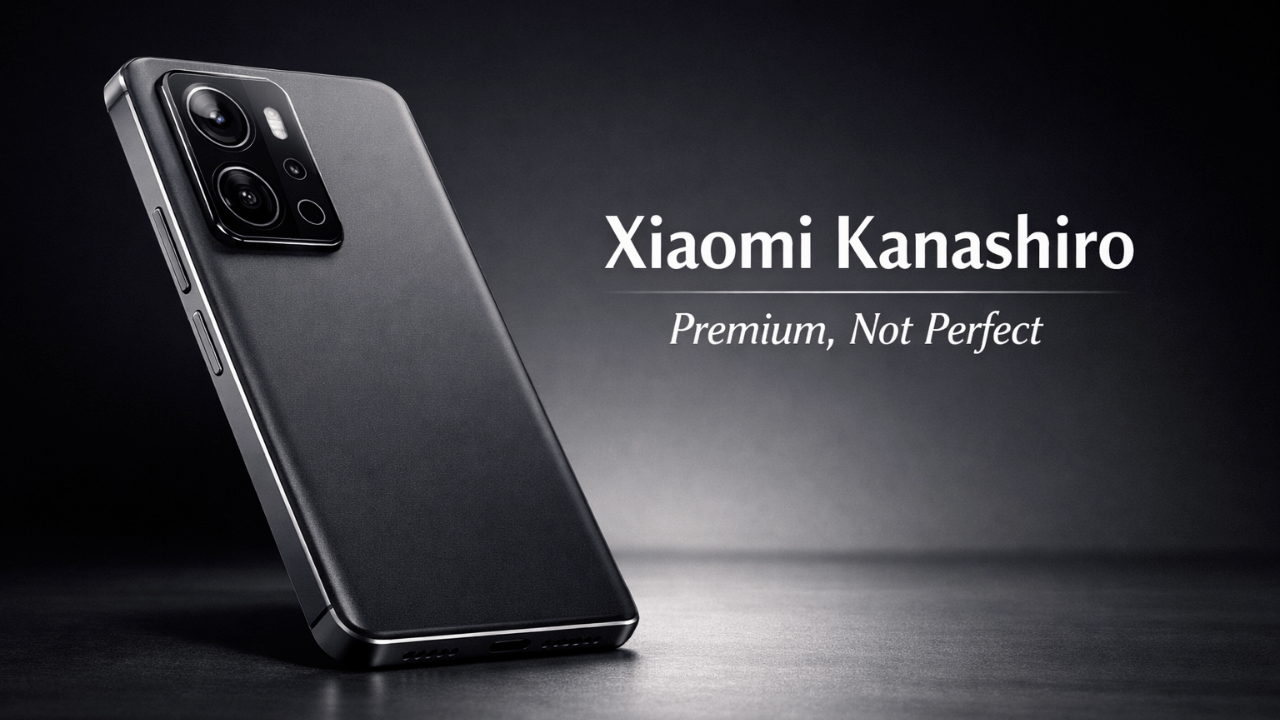
Xiaomi Kanashiro enters the conversation quietly, but it doesn’t take long for it to demand attention. From the moment the device appears on a desk or in hand, it signals an ambition that goes beyond routine mid-range experimentation. Xiaomi Kanashiro positions itself as a phone that wants to feel more expensive than it is, leaning heavily on visual confidence and restrained design choices rather than flashy gimmicks.
The premium look sets expectations high, sometimes dangerously so. Polished surfaces and a composed silhouette suggest refinement, yet real-world usage has a way of exposing the gap between appearance and execution. This contrast becomes part of the phone’s story, shaping how users judge its strengths and tolerate its compromises.
Xiaomi Kanashiro is not here to redefine the smartphone category. It aims to deliver a grounded experience that prioritizes feel, stability, and presence. The purpose of this article is simple: cut through assumptions, ignore hype cycles, and examine where the phone genuinely succeeds—and where it quietly falls short—without exaggeration or excuses.
Design & Build Quality—ICB Alignment Section
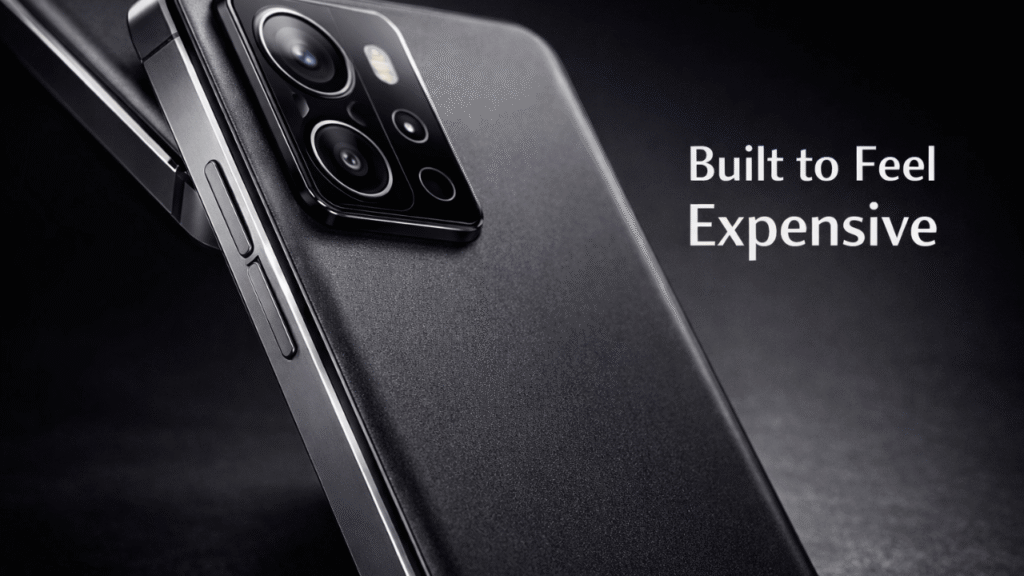
Xiaomi Kanashiro makes its strongest argument before the screen even lights up. The device presents a metallic frame paired with a matte-finished back that absorbs light rather than reflecting it aggressively. This choice gives the phone a composed, mature appearance that feels intentional instead of decorative. Xiaomi Kanashiro benefits from clean edges and tight tolerances, which elevate the in-hand perception instantly.
The camera module plays a central visual role without overwhelming the design. Its placement feels balanced, and the raised housing blends naturally into the rear panel rather than breaking the flow. This subtle integration keeps the phone looking modern without chasing trends that age quickly.
In daily use, the hand-feel leans premium but slightly dense. The weight communicates durability, though prolonged one-handed use may remind users that elegance sometimes comes with physical presence. Still, design remains a powerful selling point because it creates trust. The phone looks and feels like something built to last, not just to impress in photos.
Display Quality—Beauty Beyond the Surface
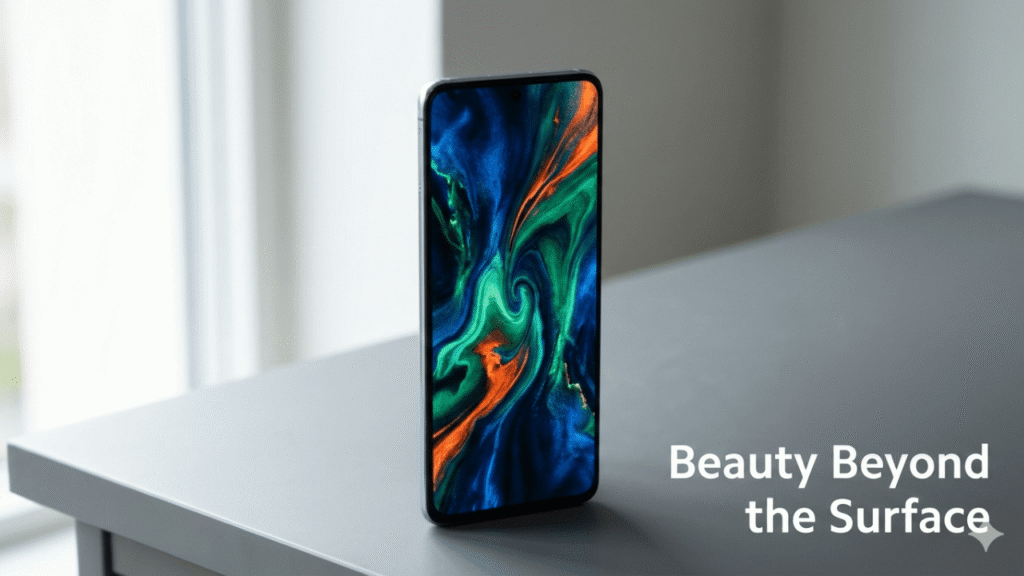
Xiaomi Kanashiro relies on its AMOLED panel to deliver visual confidence, and it largely succeeds. The screen produces deep blacks and saturated colors without drifting into artificial territory. Text appears sharp, motion feels controlled, and overall clarity supports long viewing sessions comfortably. Xiaomi Kanashiro benefits from a display that prioritizes consistency rather than spectacle.
Color accuracy holds up well across most content types, especially video and everyday browsing. Contrast remains stable, and gradients avoid banding in typical usage. This balance makes the display feel dependable rather than dramatic.
Indoors, visibility is effortless. Outdoors, brightness management becomes more situational. Direct sunlight can flatten contrast slightly, reminding users that this panel favors controlled environments. The strength lies in predictability, while the weak spot appears only when conditions push beyond ideal. It’s a display that supports the experience instead of trying to dominate it.
Performance & Hardware Power
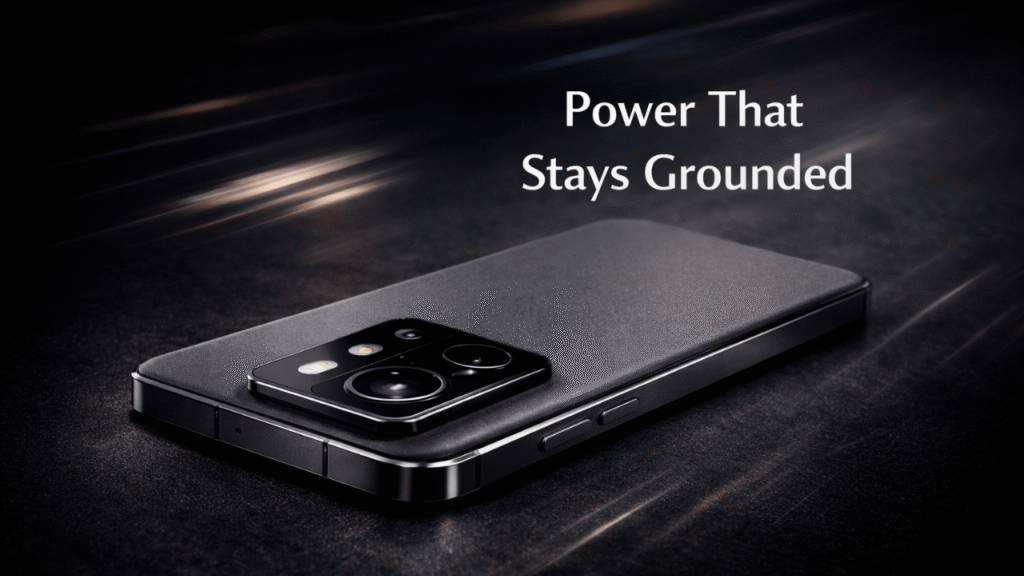
Xiaomi Kanashiro focuses its performance strategy on reliability, not raw benchmarks. The processor handles daily tasks with calm efficiency, maintaining smooth transitions between apps and stable background activity. Xiaomi Kanashiro feels tuned for sustained use rather than short bursts of speed.
Multitasking remains controlled even under moderate load. App switching stays responsive, and memory management avoids aggressive reloads that disrupt workflow. The phone behaves like a device designed for people who use their phones constantly, not sporadically.
Gaming introduces the first realistic limits. Extended sessions can generate warmth, and frame stability may soften under heavier titles. This isn’t a failure but a boundary. The performance is powerful enough to feel confident, yet honest enough to reveal its ceiling when pushed hard.
Camera Performance—Looks vs Results
Xiaomi Kanashiro delivers its best camera results in good light, where detail retention and color balance feel natural. Images appear sharp without excessive processing, and highlights remain controlled. Xiaomi Kanashiro clearly prioritizes consistency over exaggerated enhancement.
Low-light performance tells a more cautious story. Noise reduction becomes aggressive, softening textures and reducing fine detail. Night mode helps, but results vary depending on scene complexity and stability.
This creates a clear divide in audience appeal. Casual photographers who shoot primarily in daylight will enjoy dependable results. Users expecting flagship-level night photography may find the experience underwhelming. The camera looks impressive, but its true strength lies in predictability rather than surprise.
Battery Life & Charging Speed
Xiaomi Kanashiro approaches battery life with a practical mindset. Real-world usage delivers a full day of moderate to heavy activity without forcing compromise. Xiaomi Kanashiro feels optimized for consistency rather than endurance records.
Fast charging significantly improves daily convenience. Short top-ups provide meaningful gains, reducing downtime and anxiety. This feature integrates smoothly into everyday routines, especially for users who charge in fragments.
The absence of wireless charging is noticeable but not fatal. It reflects a prioritization of efficiency over completeness. Battery reliability remains strong, even if the feature set stops short of perfection. The experience is stable, predictable, and refreshingly honest.
Software Experience & UI Feel
Xiaomi Kanashiro runs a feature-rich UI that emphasizes customization and control. Themes, layouts, and system-level options offer flexibility that power users appreciate. Xiaomi Kanashiro benefits from software that invites personalization rather than enforcing rigid design rules.
However, pre-installed applications complicate the experience. While most can be removed or disabled, their presence creates unnecessary friction during initial setup. This clutter slightly disrupts the otherwise polished interface.
Day-to-day navigation remains smooth, animations feel responsive, and system stability holds steady. The UI can feel messy at first glance, but beneath that surface lies a capable, adaptable environment that rewards users willing to fine-tune it.
Xiaomi Kanashiro—Pros & Cons
Xiaomi Kanashiro sits comfortably between ambition and restraint. Its strongest qualities revolve around design confidence, dependable performance, and consistent battery behavior. Xiaomi Kanashiro communicates value through feel rather than specifications alone.
The negatives are equally clear. Camera limitations in low light, added software clutter, and physical weight may discourage certain users. These issues don’t ruin the experience, but they shape it.
This balance of positive impact and noticeable compromise helps readers decide quickly. The phone doesn’t pretend to be flawless. It offers power where it matters most, while asking users to accept trade-offs in less critical areas.
Comparison Insight—Optional SEO Booster
Xiaomi Kanashiro competes closely with other Xiaomi devices that emphasize value-driven performance. Compared to lighter, more camera-focused models, Xiaomi Kanashiro prioritizes structure and stability.
From a value perspective, it delivers strong returns for users who care about daily reliability more than feature excess. The pricing aligns with its strengths rather than overselling ambition.
In the 2025 market, the phone stands as a grounded option. It doesn’t chase trends aggressively, but it also avoids feeling outdated. Its position is secure, if not disruptive.
Should You Buy Xiaomi Kanashiro?
Xiaomi Kanashiro suits users who value build quality, steady performance, and predictable battery behavior. It rewards practical usage patterns and long-term ownership. Xiaomi Kanashiro feels designed for people who live on their phones, not those who chase specs.
Users who prioritize night photography, ultra-lightweight designs, or minimal software may want to look elsewhere. The phone asks for tolerance in those areas.
Buying advice here is straightforward. If your priorities align with reliability over flash, this device makes sense. If not, its compromises will stand out quickly.

Frequently Asked Questions (FAQs)
Is Xiaomi Kanashiro a flagship or a mid-range smartphone?
Xiaomi Kanashiro sits in a gray area between premium mid-range and entry-level flagship territory. While its design, build quality, and overall feel lean toward flagship standards, some hardware choices—especially in the camera and charging features—keep it from fully crossing that line. It’s best described as a performance-focused mid-range phone with premium ambitions rather than a true flagship replacement.
How does Xiaomi Kanashiro perform in daily, long-term use?
In everyday usage, Xiaomi Kanashiro feels stable and predictable, which is often more valuable than peak benchmark numbers. App launches remain smooth, multitasking holds up well, and background processes are managed without aggressive shutdowns. Over time, the phone maintains consistency rather than slowing down, making it suitable for users who rely on their phone throughout the day.
Is the Xiaomi Kanashiro camera good enough for content creators?
For content creators who shoot primarily in well-lit environments, Xiaomi Kanashiro delivers reliable results with balanced colors and solid detail. However, creators who depend heavily on night photography or low-light video may find its limitations noticeable. The camera favors accuracy over creativity, which works well for casual content but not for demanding production needs.
Does Xiaomi Kanashiro overheat during gaming or heavy tasks?
Xiaomi Kanashiro manages heat reasonably well under normal workloads, including streaming and multitasking. During extended gaming sessions, the device can become warm, though it rarely reaches uncomfortable levels. Performance remains stable, but sustained high-load use reveals its thermal boundaries, signaling that it’s optimized for balance rather than extreme gaming performance.
How good is the battery life compared to other Xiaomi phones?
Battery life on Xiaomi Kanashiro is one of its most dependable aspects. It consistently delivers a full day of use for most users, even with moderate gaming, video playback, and social media activity. While it doesn’t push multi-day endurance, its reliability makes it more trustworthy than phones that fluctuate depending on usage patterns.
Is Xiaomi Kanashiro worth buying in 2025?
Xiaomi Kanashiro remains relevant in 2025 for users who prioritize design quality, stable performance, and predictable daily use. It may not lead in innovation, but it avoids feeling outdated. For buyers who value refinement over experimentation, it continues to offer solid value without chasing short-lived trends.
Final Verdict — The Real Value
Xiaomi Kanashiro succeeds by staying focused. It delivers a strong design identity, controlled performance, and dependable daily usability without overpromising. Xiaomi Kanashiro proves that restraint can be more convincing than excess.
Design and performance work together rather than competing for attention. The phone feels intentional, not experimental.
The final opinion is clear: this is a confident, well-built smartphone that knows its limits—and doesn’t apologize for them.
3 thoughts on “Xiaomi Kanashiro Review 2025: Premium Design Meets Real-World Performance”