
Introduction
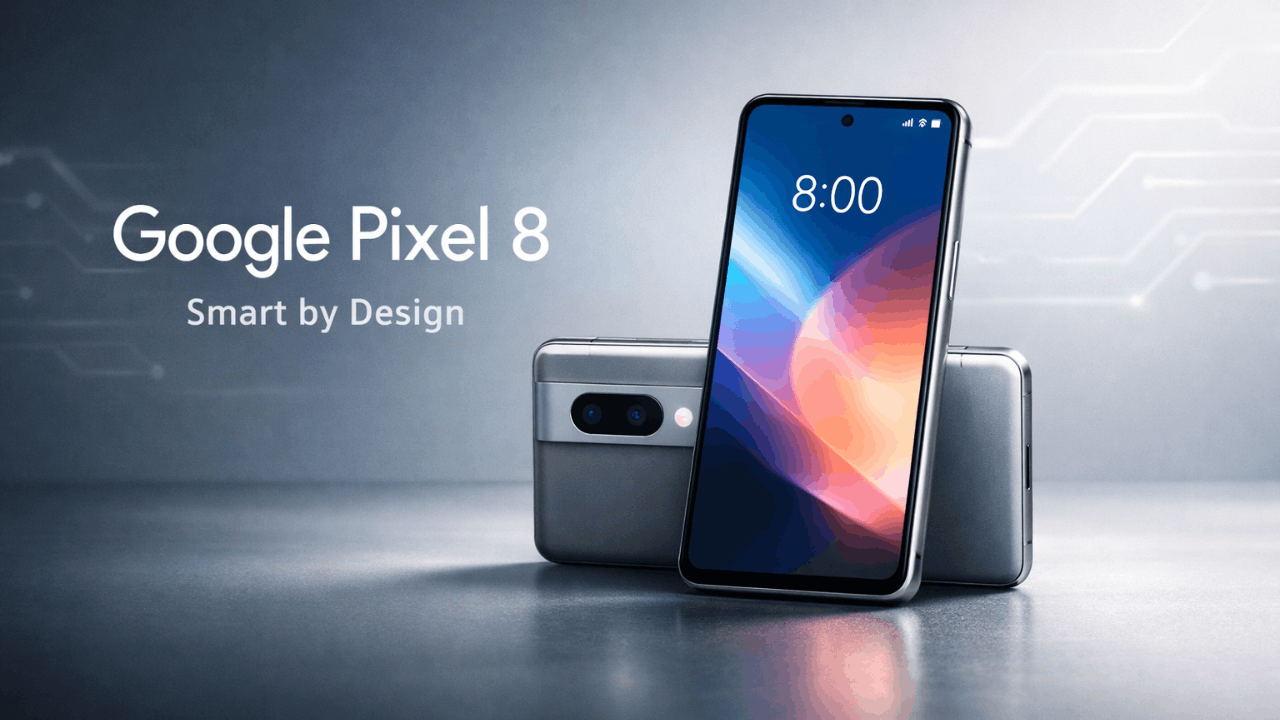
The Google Pixel 8 exists for people who are tired of spec-sheet theater and want a phone that feels intentionally built rather than aggressively marketed. It is not trying to outmuscle every flagship on raw numbers, and that restraint is exactly why it stands out. This device focuses on intelligence, longevity, and usability instead of chasing benchmark headlines.
At its core, this phone targets users who value photography, clean software, and long-term reliability over flashy hardware tricks. The appeal is strongest for Android users who want Google’s vision of what a smartphone should be, not a manufacturer-skinned interpretation layered with compromises. The Google Pixel 8 fits naturally into a daily workflow where calls, photos, messages, and AI-assisted tasks matter more than gaming marathons.
In 2025, relevance is defined by software endurance and machine learning, not megapixel races. This device matters because Google has committed to unusually long software support, aggressive on-device AI features, and a camera system tuned for real-world scenarios rather than studio conditions. That said, it is not perfect. Charging speeds lag behind rivals, gaming performance is merely adequate, and availability can be inconsistent depending on region.
This article does not exist to sell you excitement. It exists to help you decide whether this phone aligns with how you actually use a smartphone.
Google Pixel 8 at a Glance (Quick Overview)
The Google Pixel 8 entered the market in 2023, but its design philosophy and software roadmap are clearly aimed at remaining relevant well beyond its launch window. Rather than positioning itself as a yearly upgrade, it leans into being a long-term companion that improves over time through updates and AI enhancements.
Pricing places it firmly in the premium-but-not-ultra tier, competing directly with base iPhone and Galaxy S models. The intended audience is not power users chasing raw speed, but thoughtful buyers who prioritize camera reliability, software cleanliness, and predictable updates. The Google Pixel 8 distinguishes itself by treating artificial intelligence as a core utility rather than a marketing feature.
Its defining trait is Google’s AI-first approach, which quietly enhances calls, photos, and daily interactions without requiring user intervention. That philosophy carries across hardware and software decisions, sometimes at the expense of headline-grabbing specs.
| Category | Details |
|---|---|
| Release Year | 2023 |
| Price Range | Upper-mid flagship tier |
| Target Users | Photography-focused, stock Android fans |
| Key Strength | AI-driven features and long software support |
This snapshot exists for fast decision-makers, not comparison shoppers.
Design & Build Quality
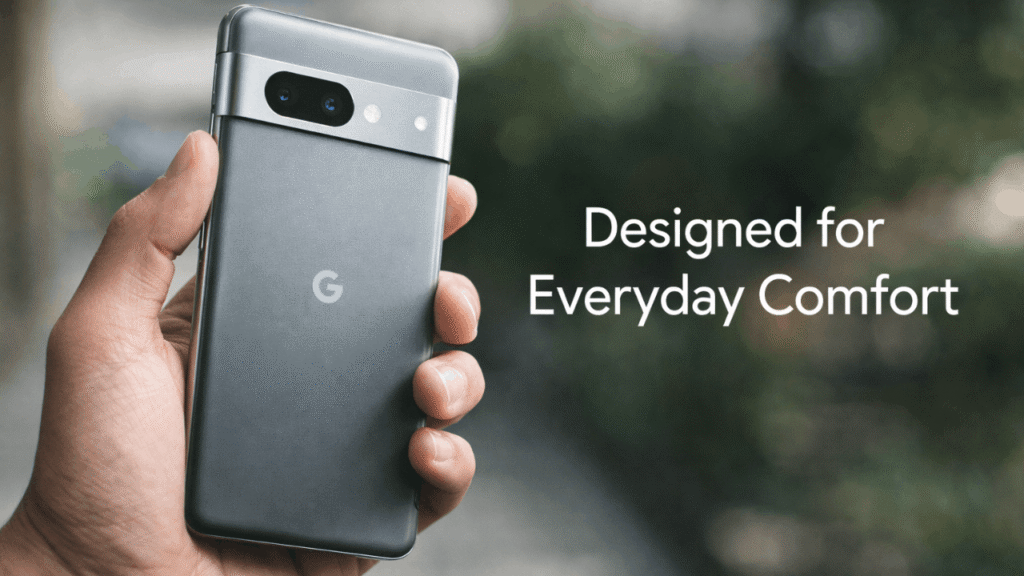
The Google Pixel 8 opts for familiarity over experimentation, and that choice works in its favor. The phone feels compact by modern standards, with a weight and balance that avoids fatigue during prolonged use. Google’s refined aluminum frame and matte glass back create a tactile experience that feels deliberate rather than decorative.
Materials are premium without being fragile, and the softened edges improve grip compared to sharper rivals. Color options remain understated, reinforcing the brand’s minimalist identity rather than chasing trends. The Google Pixel 8 carries IP68 water and dust resistance, which is now expected at this level but still essential for daily durability.
Ergonomically, it improves slightly over its predecessor by redistributing weight and reducing slipperiness. Compared to the Pixel 7, the difference is subtle but noticeable in one-handed use. Buttons are responsive, placement feels intuitive, and the camera bar remains a visual signature without protruding awkwardly.
This is not a phone designed to impress across a table. It is designed to disappear in your hand and reappear only when you need it. That restraint won’t excite everyone, but it aligns perfectly with Google’s functional design philosophy.
Display Quality & Experience
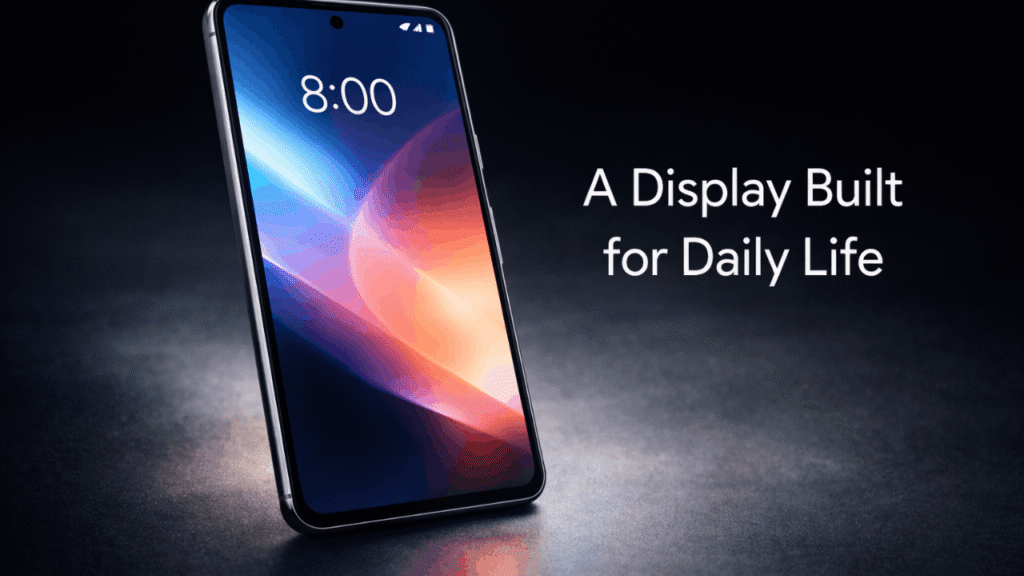
The Google Pixel 8 delivers a display that prioritizes clarity and consistency over spectacle. Its OLED panel offers sharp text, accurate colors, and a refresh rate that adapts smoothly during everyday interactions. While competitors push higher peak brightness numbers, this screen remains readable and comfortable across most lighting conditions.
Indoors, the panel excels with balanced contrast and controlled saturation. Outdoors, brightness is sufficient rather than class-leading, which means extreme sunlight can still challenge visibility. The Google Pixel 8 supports HDR streaming, and content from major platforms looks natural rather than artificially boosted.
The adaptive refresh rate helps preserve battery life without introducing noticeable stutter. Scrolling feels fluid, and touch responsiveness remains reliable even during longer sessions. That said, users focused on high-end media consumption may find Samsung’s displays more vivid and Apple’s tuning more cinematic.
This screen does not chase attention. It serves its purpose quietly and consistently, which makes it ideal for reading, browsing, and photography review—but less compelling for those seeking maximum visual drama.
Performance & Tensor G3 Chip
The Google Pixel 8 runs on Google’s Tensor G3 chip, and its priorities are clear from the first interaction. Performance is tuned for responsiveness, AI workloads, and efficiency rather than raw computational dominance. Everyday tasks feel smooth, predictable, and stable.
In daily usage—navigation, multitasking, photography, and communication—the device performs reliably without hesitation. Gaming performance, however, is where expectations must be managed. The Google Pixel 8 can handle popular titles, but sustained sessions reveal thermal limits and moderate throttling.
Heat management is improved compared to earlier Tensor chips, yet it still trails Snapdragon-based competitors in sustained performance. This tradeoff exists because Tensor prioritizes on-device AI processing, which enables features like real-time transcription and photo enhancement.
If your definition of performance revolves around benchmarks, this phone will disappoint. If it revolves around intelligent behavior and consistency, it quietly succeeds. It is not a gaming beast, and pretending otherwise would be dishonest.
Camera System (Pixel’s Core Strength)
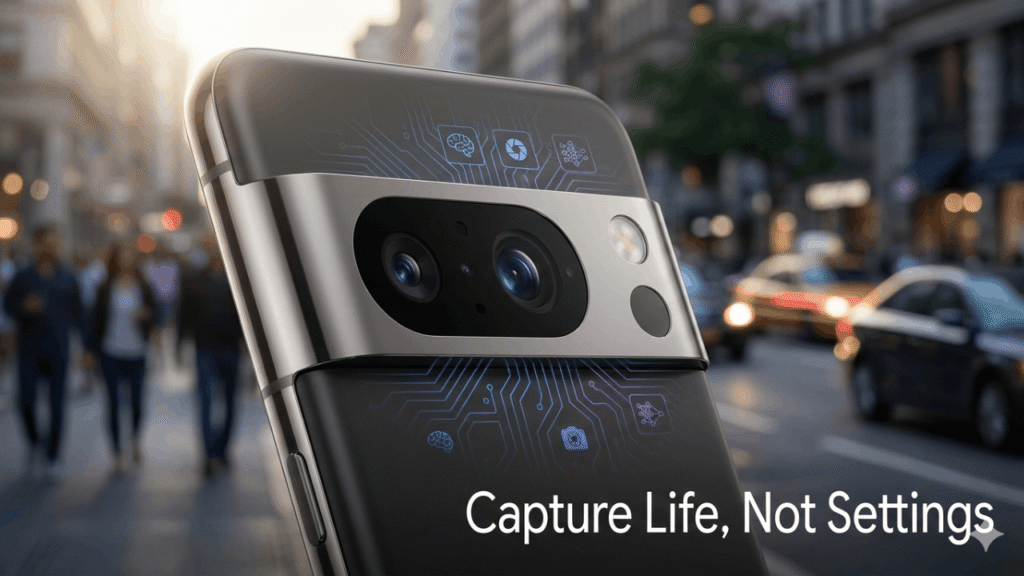
The Google Pixel 8 continues Google’s long-standing dominance in computational photography, focusing on results rather than hardware excess. The camera system excels at capturing moments quickly, accurately, and with minimal effort from the user.
Photos consistently deliver natural skin tones, balanced exposure, and impressive dynamic range. The Google Pixel 8 shines in challenging conditions like low light, fast motion, and mixed lighting, where software intelligence compensates for physical limitations. AI-powered features refine images after capture without making them look artificial.
Video quality is solid but not class-leading. Stabilization and color accuracy are strong, though low-light video still trails Apple’s processing. Front-facing performance remains dependable for calls and social content rather than cinematic production.
Real-world use is where this camera system wins. Parents, travelers, and casual photographers benefit from reliable results without manual adjustments. It prioritizes memory preservation over technical perfection, and that focus remains its greatest strength.
AI Features & Software Experience
The Google Pixel 8 is best understood as a software-forward device that improves over time. It ships with a clean version of Android, free from manufacturer clutter and aggressive customization. This foundation allows Google’s AI features to integrate seamlessly into daily use.
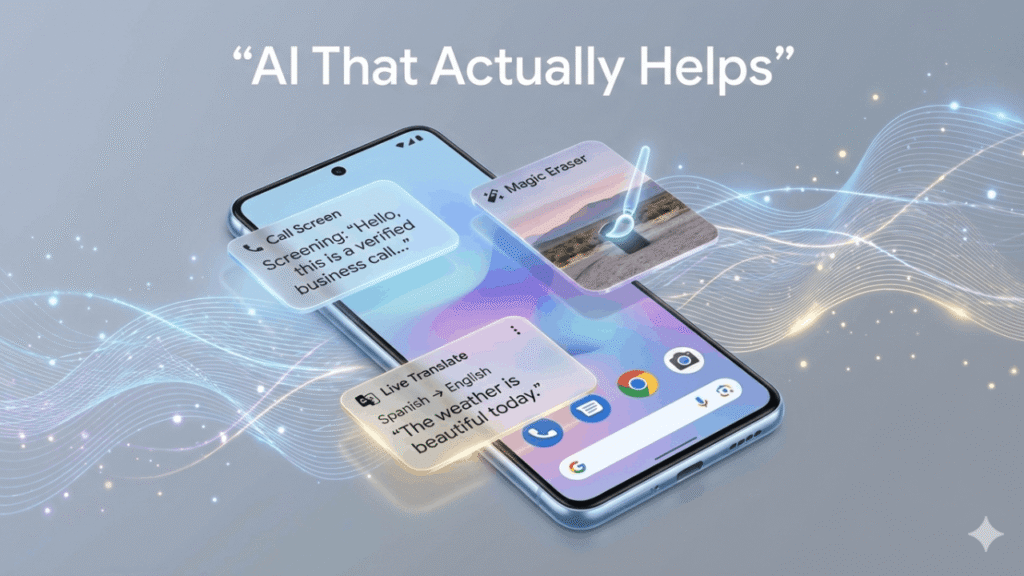
Call Screen filters spam intelligently, Magic Editor reshapes photos after capture, and Live Translate works quietly in the background. The Google Pixel 8 does not force AI interaction; it introduces assistance only when helpful.
Google’s update commitment is unusually long, ensuring years of feature drops and security patches. This transforms the phone into a long-term investment rather than a short-lived gadget. Pixel-exclusive features often arrive post-launch, extending relevance well beyond competitors.
This software experience favors users who value stability, clarity, and subtle intelligence. It is not flashy, but it is quietly powerful—and difficult to replace once experienced.
Battery Life & Charging
The Google Pixel 8 delivers dependable battery life without excelling in charging speed. Its battery comfortably supports a full day of mixed usage, including browsing, photography, and streaming. Screen-on time remains competitive but not exceptional.
Charging is where compromises become obvious. Wired speeds are slower than many rivals, and wireless charging remains functional rather than fast. The Google Pixel 8 prioritizes battery longevity over rapid top-ups, which may frustrate users accustomed to ultra-fast charging standards.
In comparison to competitors, battery efficiency is respectable thanks to software optimization. However, heavy users may still need mid-day charging during intensive tasks.
This phone suits users with predictable routines rather than those constantly chasing outlets. If charging speed defines your buying decision, this will feel limiting.
Google Pixel 8 vs Competitors
The Google Pixel 8 competes in a crowded flagship space where differentiation depends on priorities. Against the iPhone, it offers greater AI flexibility and customization but falls short in video consistency and ecosystem integration.
Compared to Samsung’s Galaxy S series, the Google Pixel 8 trades display brilliance and charging speed for cleaner software and longer update guarantees. Against the Pixel 7, improvements are evolutionary rather than revolutionary, focusing on refinement and AI expansion.
| Comparison | Key Difference |
|---|---|
| Pixel 8 vs iPhone | Better AI tools, weaker video |
| Pixel 8 vs Galaxy S | Cleaner software, slower charging |
| Pixel 8 vs Pixel 7 | Smarter features, similar feel |
This device wins when intelligence matters more than hardware spectacle.
Pros and Cons
Pros
- Camera reliability
- Clean Android experience
- Practical AI features
- Long-term software support
Cons
- Slow charging speeds
- Moderate gaming performance
- Limited availability in some regions
The Google Pixel 8 rewards users who value consistency over competition.
Price, Availability & Variants
The Google Pixel 8 is offered in multiple storage configurations, allowing buyers to choose longevity over upfront cost savings. Pricing positions it below ultra-premium flagships while remaining firmly in the high-end segment.
Availability varies significantly by region, with some markets receiving limited official support. The Google Pixel 8 is worth its price if software longevity and camera performance matter more than charging speed or gaming power.
Value improves over time as updates extend its lifespan beyond typical Android cycles.
Who Should Buy Google Pixel 8?
The Google Pixel 8 is ideal for users who prioritize photography, clean software, and long-term updates. It suits professionals, content consumers, and anyone who values intelligent automation over raw speed.
Stock Android enthusiasts will feel immediately at home. Long-term users benefit most from extended support. The Google Pixel 8 is not for mobile gamers, spec chasers, or users dependent on ultra-fast charging.
Clarity here prevents regret later.
FAQs: Google Pixel 8
Is Google Pixel 8 good for gaming?
The Google Pixel 8 is capable but not designed for sustained high-end gaming. Casual and mid-range titles run smoothly, but longer gaming sessions reveal thermal limits and performance throttling. This phone prioritizes AI workloads and efficiency over raw GPU power. If gaming is your primary use case, Snapdragon-based alternatives perform better.
How long will Google Pixel 8 receive software updates?
The Google Pixel 8 stands out with one of the longest update commitments in the Android ecosystem. Google promises multiple years of Android version upgrades and extended security patches, making it a strong choice for long-term users. This level of support significantly outpaces most Android competitors. Longevity is one of its biggest advantages.
Is Google Pixel 8 better than Pixel 7?
The Google Pixel 8 improves on the Pixel 7 through smarter AI features, a refined design, and longer software support rather than radical hardware changes. Performance gains are incremental, not dramatic. Camera results remain consistently strong, but day-to-day usage feels more polished. Upgrading makes sense if software longevity matters to you.
Does Google Pixel 8 overheat?
The Google Pixel 8 manages heat better than earlier Tensor-powered models, but it is not immune to warming under heavy load. Extended gaming or prolonged camera use can raise temperatures. In normal daily tasks, thermal behavior remains controlled. Overheating is not a common issue, but heavy users should be realistic.
Is Google Pixel 8 worth buying in 2025?
The Google Pixel 8 remains relevant in 2025 due to its long update cycle, capable camera system, and AI-driven features. Hardware alone does not justify the purchase; software longevity does. It is worth buying if you value intelligence, stability, and photography over charging speed or gaming power.
Does Google Pixel 8 support fast charging?
The Google Pixel 8 supports fast charging, but speeds are noticeably slower than many competing flagships. Wireless charging is convenient but also modest in speed. Google prioritizes battery health over rapid top-ups. Users accustomed to ultra-fast charging may find this limiting.
Final Verdict
The Google Pixel 8 remains a compelling choice in 2025 for users who value intelligence over intensity. It delivers meaningful improvements through software rather than hardware theatrics.
Its best use case lies in daily reliability, photography, and AI-driven convenience. The Google Pixel 8 is worth buying if you want a phone that improves quietly instead of aging loudly.
Value is measured in years, not launch-day excitement.