
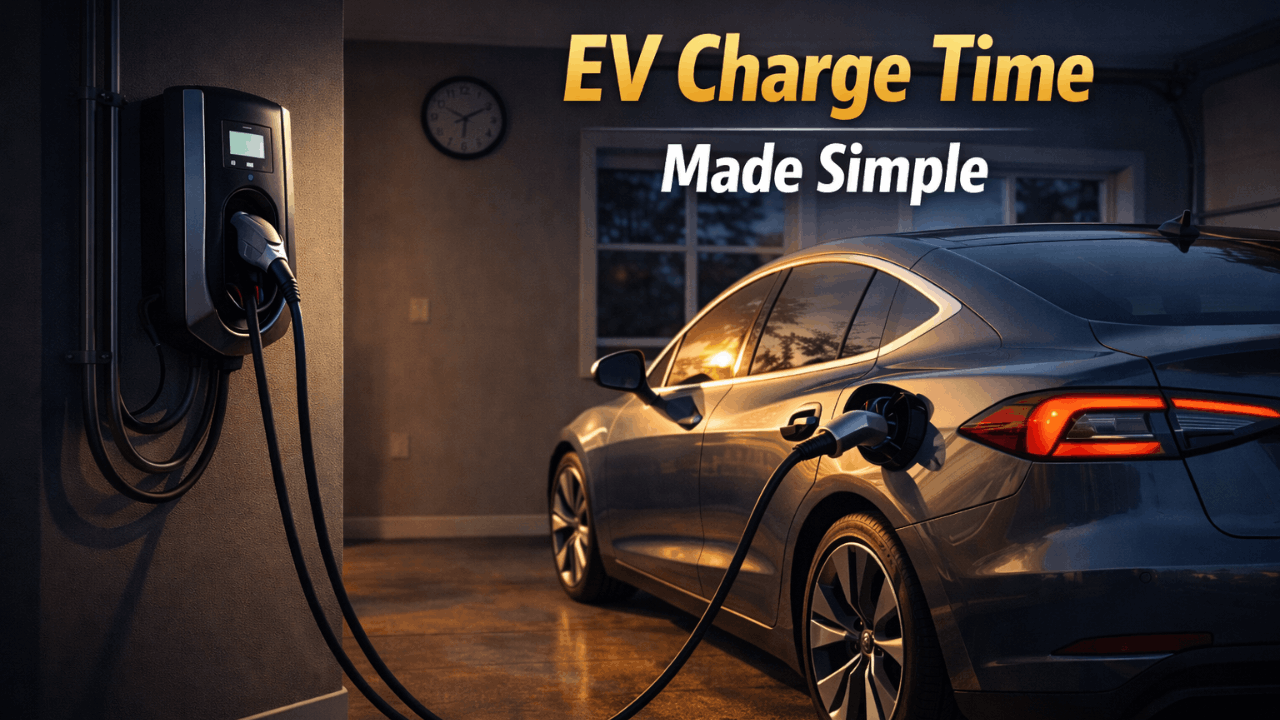
I didn’t think much about EV charging stations before I bought my first electric vehicle. I worried about range, tax credits, and whether I’d miss the roar of an engine. Charging? That felt like a solved problem.
Spoiler: it isn’t.
Not that it’s impossible or scary—it’s just where reality hits you. The car is fine. The charger is where life subtly, daily, forces you to make decisions. Some people figure it out quickly. Others spend weeks standing by a slow charger wondering if owning an EV was worth it.
This guide isn’t a marketing pitch. It’s a straight-up, lived-in explanation of how EV charging stations actually affect your daily life, costs, and convenience.
EV Charging Stations: Why They Matter More Than the Car
Most EV buyers obsess over acceleration, tech, and styling. That’s natural. But the truth is, after a few weeks of ownership, your car rarely annoys you. Charging does. The convenience and location of EV charging stations often matter more to daily EV owners than the car itself, shaping routines and stress levels.
EV charging stations are where ownership convenience is truly decided. A great car feels effortless if charging fits your routine. Without planning, even a top-of-the-line EV can start to feel like a burden.
Think about it: daily range checks, checking apps for availability, and planning trips around chargers—these tiny stresses accumulate. Getting this part right is what separates happy EV owners from frustrated ones.
How Charging Shapes Daily EV Life
Charging convenience directly impacts your driving routine.
Unexpected slowdowns or busy chargers can ruin small errands.
Proper planning saves time and mental energy.
Why Poor Charging Setups Create Long-Term Frustration
- Ignoring home setup forces dependence on unpredictable public chargers.
- Cheap installations or underpowered outlets reduce efficiency.
- Even a good EV feels inconvenient with poor charging choices.
Types of EV Charging Stations (And How They Really Work)
EV charging isn’t one-size-fits-all. People often underestimate how differently Level 1, Level 2, and DC Fast Charging feel in real life.
This matters because many new EV owners make decisions based on numbers alone — hours to charge, kilowatts, etc. The reality is about routine, habits, and patience, not specs alone.
Level 1 Charging (Standard Outlet)
Level 1 uses a normal household outlet. Technically, it works. Realistically, it’s frustrating if you drive more than 20–30 miles a day.
- Adds minimal range per hour.
- Best for very light daily driving or emergencies.
- Slow enough that you notice it constantly.
Most US drivers outgrow Level 1 quickly. It’s fine if patience is your superpower — otherwise, you’ll look for a faster solution. Understanding the different types of EV charging stations, from Level 1 to DC fast chargers, is crucial for planning trips and avoiding frustration.
Level 2 Charging (Home & Public Sweet Spot)
This is where EV ownership stops feeling experimental.
- Home Level 2 chargers often provide a full overnight charge.
- Public Level 2 chargers give a convenient option during errands.
- Speed and predictability make life less stressful.
Level 2 is what most people settle on — it balances installation cost, speed, and usability. For daily life, it’s the sweet spot.
DC Fast Charging (Public Fast Chargers)
Fast charging sounds sexy and looks impressive. It’s vital on road trips. But it’s not magical.
- Charges 80% in 30–45 minutes. Not 100%.
- Cost per kWh is higher than home or public Level 2.
- Dependent on availability; busy stations = waiting time.
Daily reliance on DC fast charging is expensive and slightly stressful. Best used selectively.
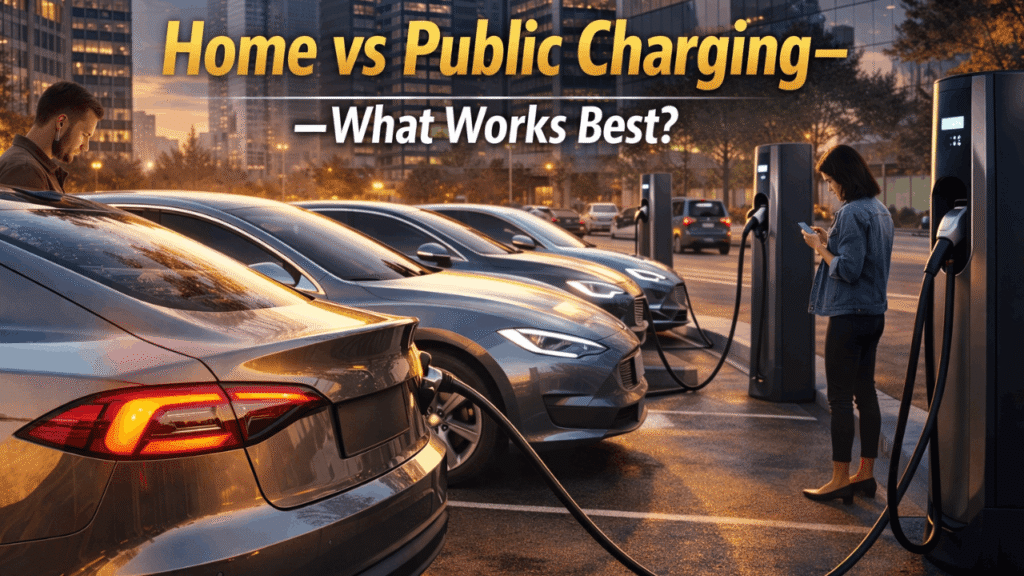
Public vs Home EV Charging Stations (Where the Real Decision Is Made)
Many EV buyers think, “I’ll just use public chargers — problem solved.” On paper, it sounds convenient: no installation costs, no wiring headaches. Reality check: relying primarily on public EV charging stations often leads to stress, wasted time, and higher costs. Chargers aren’t always available when you need them. Busy parking lots, apps showing false availability, or slow Level 2 chargers can turn a 5-minute errand into a 20–30-minute planning headache.
Home charging, on the other hand, requires upfront investment: a Level 2 charger, professional installation, and sometimes a panel upgrade. But once it’s set up, it quietly solves most daily EV frustrations. Plug in overnight, wake up to a full battery, and rarely think about it again. Most US EV owners reach the same conclusion: home charging becomes essential, public charging is supplemental. Choosing between public and home EV charging stations is the real decision that determines how seamless your EV ownership experience will be.
Public EV Charging Stations
Flexible for travel or emergencies.
Costlier per kWh than home charging.
Availability may vary; planning is required.
Home EV Charging Setup
Predictable, convenient, and removes daily decision-making.
Lower long-term cost compared to frequent public charging.
Works best for people with regular commuting patterns.
EV Charger Installation: Why Cutting Corners Backfires
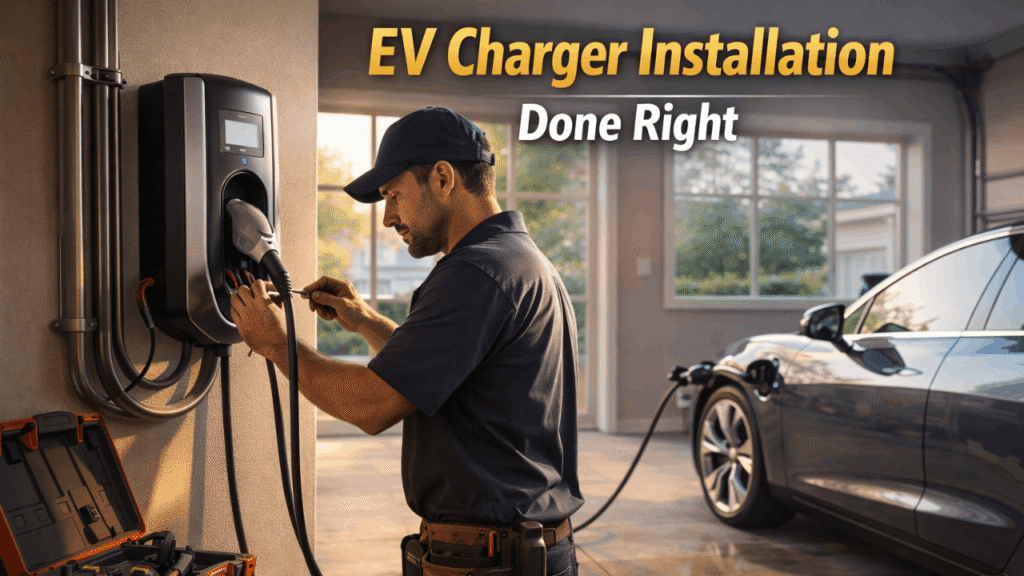
Many first-time EV owners try to save money on installation by using existing outlets or hiring unlicensed electricians. This often backfires. EV charger installation is not just plugging in a box — it involves ensuring your home panel can handle the load, proper breaker sizing, and compliance with local electrical codes.
A rushed or substandard installation often leads to slow charging, tripped breakers, or even safety hazards. One small mistake can create months of frustration. The irony is that most complaints about “bad chargers” are really complaints about poor installation. Investing in a licensed electrician ensures your charger works quietly and reliably for years, removing unnecessary stress from your daily routine.
A proper EV charger installation ensures your EV charging stations operate safely and efficiently, preventing long-term frustration and unexpected costs.
Electrical Capacity and Load Calculation
Ensures your home can handle your EV’s power demand.
Avoids frequent tripping or reduced charging speeds.
Why Licensed Installation Matters
Guarantees compliance with local codes.
Protects warranties and keeps insurance valid.
Common Mistakes That Create Long-Term Issues
- Using an ordinary outlet without upgrades.
- Skipping permits or inspections.
- Underestimating panel load if you plan multiple EVs.
EV Charging Cost: The Numbers No One Explains
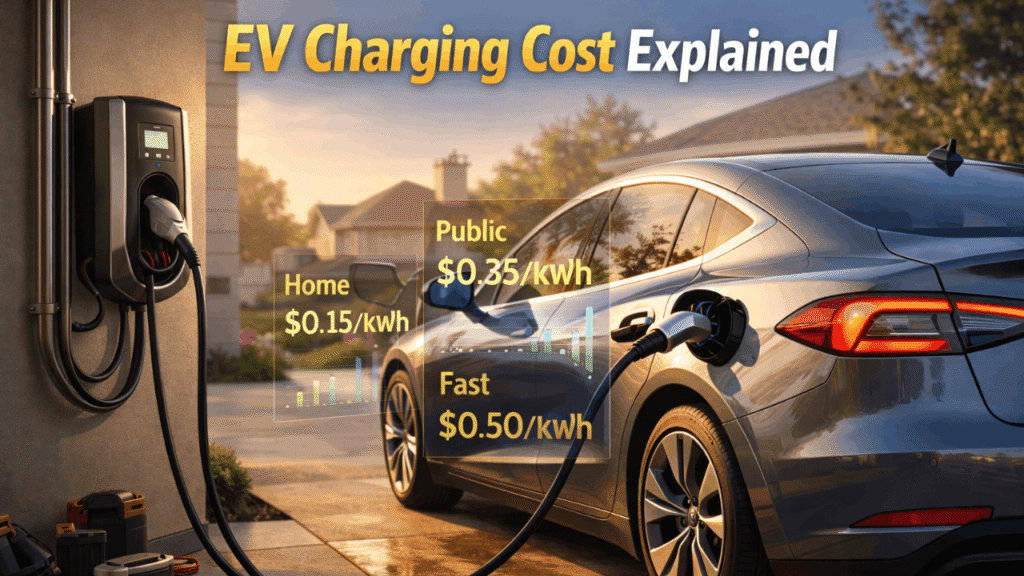
“EVs save money on fuel!” Sure — but only if you plan your charging strategy. Most owners underestimate how habits impact EV charging cost. Home charging is usually cheapest, especially during off-peak hours. Public Level 2 chargers are moderately priced. DC fast chargers are convenient, but costly if used regularly. The cost of using EV charging stations varies greatly depending on whether you rely on home charging, public chargers, or fast DC stations.
The mistake is relying on fast charging too often. It’s not just the higher price per kWh; frequent fast charging can subtly affect battery longevity, indirectly increasing costs over time. Planning a combination of home and occasional public charging keeps costs predictable. Most US EV owners notice a significant drop in monthly electricity spending once they optimize home charging schedules.
Home vs Public Charging Costs
Home: ~$0.13–$0.17/kWh.
Public Level 2: ~$0.30–$0.40/kWh.
DC fast charging: $0.45–$0.60/kWh.
How Habits Affect Monthly Expenses
Plug in overnight to save.
Occasional public charging is fine, but daily reliance increases cost.
Why Fast Charging Is Convenient but Costly
- Ideal for road trips or emergencies.
- Not sustainable as a daily charging habit.
EV Charge Time: Expectation vs Reality
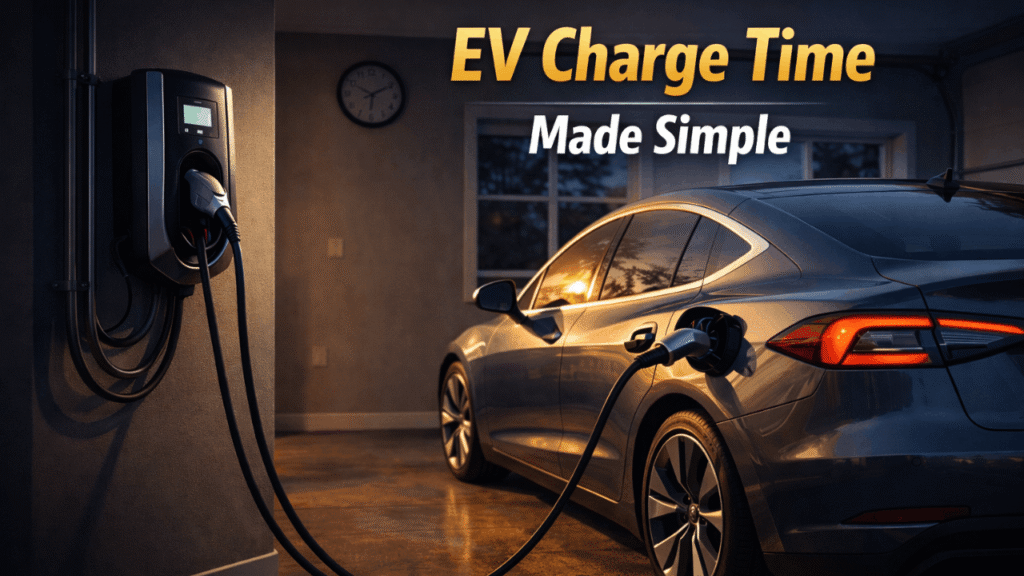
EV charge time is one of the most misunderstood aspects of ownership. Level 1 charging is painfully slow. Level 2 is steady but not instant. DC fast charging is impressive on paper but doesn’t deliver a full charge in the time most people assume. Knowing how long EV charging stations take for each type of charger helps you set realistic expectations for daily and long-distance driving.
The secret most guides skip: charging becomes invisible once routines adjust. Plug in at night, wake up with a full battery — and suddenly, you stop obsessing over percentages. Fast charging is useful on the road but rarely needed for daily life. Managing your time around charging, rather than obsessing over speed, transforms your EV experience from stressful to seamless.
Factors Affecting Charge Time
Battery size and remaining charge.
Charger type and power output.
Temperature and weather conditions.
Why “80% Fast Charge” Exists
Chargers intentionally slow after ~80% to protect battery health.
Routine Matters More Than Speed
- Overnight home charging reduces stress.
- People rarely notice charge times once it fits their routine.
Common EV Charging Mistakes
One of the most common mistakes new owners make is misunderstanding how EV charging stations work and assuming all chargers are equally convenient. Even experienced EV owners make mistakes — often because they were too optimistic or didn’t plan properly. Understanding these prevents frustration.
- Relying only on public chargers: Unpredictable availability creates stress.
- Choosing the cheapest charger: Often unreliable or slow, costing time and money.
- Ignoring home electrical capacity: Leads to inefficient charging or extra costs for upgrades.
Other mistakes include assuming fast charging will always be free or underestimating cold-weather effects on charging efficiency. Recognizing and planning for these issues early reduces frustration significantly.
FAQs About EV Charging Stations (Expanded)
Is home EV charging safe?
Yes, as long as it is installed according to code by a licensed electrician. Proper installation ensures your equipment works reliably and minimizes risk of electrical hazards. Most owners never experience issues once installed correctly.
Can you survive using only public chargers?
Technically yes, but it’s inconvenient for daily life. Availability, wait times, and cost fluctuations make relying solely on public EV charging stations stressful. For predictable commuting, home charging is strongly recommended.
Does fast charging damage EV batteries?
Occasional fast charging is fine. Continuous, frequent fast charging can accelerate battery wear over time. Using fast chargers sparingly while relying on Level 2 home charging protects battery health and costs.
Which setup works best for daily driving?
A home Level 2 charger is ideal. It charges overnight, avoids daily trips to public chargers, and keeps costs low. Fast chargers are best reserved for emergencies or travel.
What’s the cheapest way to charge long-term?
Home charging during off-peak electricity hours is the most cost-effective method. Using public chargers regularly increases costs significantly, even if rates seem low per session.
How do charging apps help?
Apps show availability, pricing, and location of EV charging stations, saving time and reducing frustration. They help plan trips, avoid busy stations, and optimize cost-effective charging.
Final Thought: When EV Charging Finally Feels Normal
The best EV charging experience is quiet, consistent, and nearly invisible. Most US owners eventually settle into the same routine:
- Home Level 2 charging for daily driving.
- Public fast charging for travel or occasional backup.
Once your routine with home and public EV charging stations clicks, charging becomes a seamless part of daily life rather than a daily concern. When this routine clicks, charging stops being a decision you stress over. EV ownership becomes practical and surprisingly relaxing. Not revolutionary, not flashy — just reliable and human.
3 thoughts on “EV Charging Stations: What Owning an EV Really Feels Like After the Honeymoon”